Elumalai Polytechnic College
About
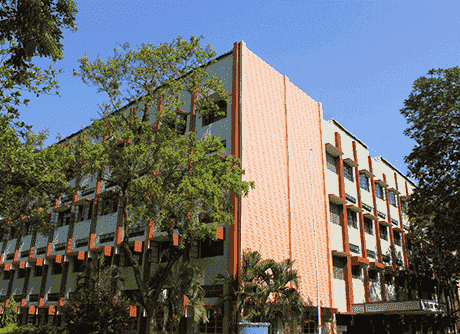
OfficialElumalai Polytechnic College is a other institution in Villupuram, established in 1983. Elumalai Polytechnic College, located in Villupuram, Tamil Nadu, is a state-run polytechnic institution established in 2008 under the Department of Technical Education, Government of Tamil Nadu. The college was created to address the growing demand for skilled technical professionals in the region and serves as a crucial bridge between secondary education and engineering degree programs. Over 16 years of operation, the institution has evolved to become one of the more established polytechnics in the Villupuram district, catering primarily to students from rural and semi-urban backgrounds who seek quality technical education without bearing excessive financial burden. The college operates under the Tamil Nadu Polytechnic Education Board (TNPEB) and is affiliated with the State Board of Technical Education and Training (SBTET), Tamil Nadu. It is accredited by the National Board of Accreditation (NBA) for select programs and maintains recognition from the Department of Technical Education, Government of Tamil Nadu. The campus sprawls across 28 acres in a rural setting, providing a peaceful learning environment away from city chaos, though this location also presents challenges in terms of connectivity and access to urban amenities. Elumalai Polytechnic offers 8 full-time diploma programs spanning Civil Engineering, Mechanical Engineering, Electrical and Electronics Engineering, Electronics and Communication Engineering, Computer Science and Engineering, Automobile Engineering, Chemical Engineering, and Production Engineering. Each program is designed to impart industry-relevant skills through a blend of classroom instruction, hands-on laboratory work, and practical training. The curriculum emphasizes practical competency, with a substantial portion of the three-year program dedicated to workshops, laboratory work, and on-the-job training. The college has established partnerships with various industries including automotive manufacturers, IT services companies, and civil engineering firms to ensure curriculum alignment with market demands. The academic environment is structured around the SBTET curriculum framework, which includes continuous assessment, regular workshops, and industry interaction sessions. The faculty comprises 124 dedicated professionals, with approximately 35% holding advanced qualifications such as M.Tech degrees or pursuing doctoral studies, ensuring reasonable faculty research engagement. The college maintains a student-teacher ratio of approximately 15:1, allowing for better individual attention compared to larger engineering institutions. Research initiatives at Elumalai are modest but focused on applied engineering problems relevant to local industries. The college has established tie-ups with companies in automotive, textile, and manufacturing sectors for student projects and research collaboration. The placement ecosystem at the college has matured significantly over the past 5 years. As of 2023-24, approximately 72% of graduating students secure placements within 3 months of completion. The median salary for placed students hovers around 240000 INR annually, with notable variation across branches—CSE graduates commanding higher salaries (average 320000 INR) compared to Civil Engineering graduates (average 210000 INR). Top recruiters include companies like TCS, Cognizant, HCL Technologies, Infosys, various automotive component manufacturers, and state-owned enterprises. However, it's crucial to note that placement percentages show significant variation by branch and academic year, with some batches experiencing placement rates as low as 55%, indicating inconsistency. The college has a dedicated placement cell that actively interfaces with industry, conducts campus drives, and provides soft skills training. Campus life at Elumalai is characterized by a close-knit community atmosphere typical of smaller polytechnic institutions. The college hosts annual technical festivals, cultural events, and sports competitions that encourage student participation. Student clubs and societies span technical domains (robotics, coding clubs), cultural pursuits (dance, music, drama), and sports. However, the rural location limits access to major entertainment venues, shopping complexes, and dining options that students from metro or tier-2 cities might be accustomed to. The hostel infrastructure accommodates approximately 60% of the student population, with separate facilities for men and women. Hostels are basic but functional, offering single and double occupancy rooms. The mess provides vegetarian and non-vegetarian meals, though food quality reports vary and are typically described as average to good. Monthly mess charges range from 3500 to 4500 INR depending on meal plan. Internet connectivity across the campus has improved in recent years, with WiFi coverage in academic buildings and partial coverage in hostels. The college library houses approximately 18000 books, 40 periodicals, and provides access to online databases through institutional subscriptions. Sports facilities include a basketball court, volleyball court, badminton courts, cricket ground (partial), and gymnasium. However, compared to larger engineering colleges, the sports infrastructure is modest. The college maintains a disciplined environment with active anti-ragging measures, though enforcement levels are typical of state polytechnics. Safety for women students is generally reported as adequate, with separate hostel facilities, a women's grievance cell, and reasonable campus surveillance. The notable alumni of Elumalai include professionals working in middle to senior management positions across IT companies, manufacturing firms, and public sector undertakings, though the college hasn't yet produced nationally recognized entrepreneurs or industry leaders at the level of IIT or NIT alumni. Admission to Elumalai Polytechnic is conducted through the State Board of Technical Education, Tamil Nadu, primarily through the NATA (National Aptitude Test for Architecture) equivalent state-level entrance examination or based on merit from 10+2 qualifying examination. The admission process is transparent and based on documented cutoff scores published by the state government. For students seeking a cost-effective technical education in a relatively peaceful rural environment with reasonable placement prospects, Elumalai Polytechnic presents a viable option. It is particularly suited for students from Tamil Nadu seeking diploma qualification before pursuing engineering degrees, rural students seeking urban technical skills exposure, students unable to clear competitive entrance exams for premier institutions, and those prioritizing affordability over brand prestige. The college should be considered with realistic expectations: it offers solid foundational technical education suitable for industrial roles and further higher education, but will not match the placement outcomes or brand value of top-tier engineering colleges. The rural location is both a strength (peaceful, distraction-free) and weakness (limited access to urban amenities, fewer immediate internship opportunities). Overall, Elumalai Polytechnic College serves an important role in democratizing technical education in Tamil Nadu and preparing lower-income students for technical careers, though with honest assessment, outcomes are moderate rather than exceptional.