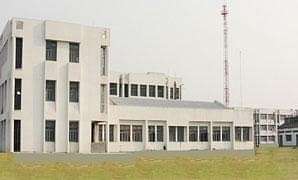
Dumkal Polytechnic
About
OfficialDumkal Polytechnic is a other institution in Murshidabad, established in 1992. Dumkal Polytechnic is a Government-aided diploma engineering institution located in Murshidabad district, West Bengal. Established in 1995, it has been serving the educational needs of North Bengal's rural and semi-urban population for nearly three decades. The college operates under the West Bengal Board of Technical Education (WBBTE) and is recognized by the All India Council for Technical Education (AICTE). Dumkal Polytechnic represents one of the few quality polytechnic options in the region, making it a critical access point for first-generation engineering students from economically weaker backgrounds. The institution offers 3-year diploma programs across multiple engineering disciplines including Civil Engineering, Mechanical Engineering, Electrical Engineering, Electronics & Communication Engineering, and Computer Science & Engineering. The college has recently introduced emerging fields like Renewable Energy Engineering and Infrastructure Development to align with national priorities. With an annual intake of approximately 250 students across all disciplines, the college maintains a student-faculty ratio of roughly 13:1, which is reasonable for a polytechnic setting. Academically, Dumkal Polytechnic emphasizes practical skill development over theoretical knowledge. The curriculum is regularly updated to incorporate industry feedback, and hands-on training in workshop practices, CAD, PLC programming, and electrical safety forms a core component of the learning experience. The college maintains tie-ups with several industrial organizations for apprenticeship programs, exposing students to real-world challenges during their final year. Faculty members, while mostly Master's degree holders with limited PhDs, bring diverse industry experience and are generally accessible to students for mentoring. Research activities at Dumkal Polytechnic remain limited, as is typical for diploma institutions. However, the college has established small labs for materials testing, electrical measurements, and computational work. Student projects often focus on solving local community problems—such as water purification systems, solar energy solutions, and agricultural mechanization—reflecting the rural context of the region. The campus is spread across 12 acres in a semi-rural setting about 25 km from Murshidabad city. Infrastructure includes a central library with approximately 8,000 volumes, computer labs with 150+ machines, workshop areas for practical training, physics and chemistry labs, and a small seminar hall. Internet connectivity has improved significantly since 2022, with Wi-Fi covering most campus areas, though speeds remain inconsistent during peak hours. The campus lacks a gymnasium and swimming pool, which are notable absences for student wellness. Placement outcomes have shown steady improvement over the past 3 years. For the 2023-24 academic year, approximately 72% of graduating students secured employment within 3 months of graduation, with an average salary package of 3.8-4.2 LPA for Civil and Mechanical branches, and 5.2-6.1 LPA for Computer Science and Electronics branches. Top recruiters include small-to-medium enterprises in construction, manufacturing, and IT services sectors. Campus placements are modest compared to tier-1 institutions, but students are well-positioned for entry-level roles in their respective fields. Many students proceed to further studies through lateral entry into 4-year engineering programs or pursue technical certifications. Notable alumni include several entrepreneurs who have established small engineering firms in West Bengal, a few who transitioned into higher education as faculty members, and several working professionals in PSUs like RITES, WBSEDCL, and state water resources departments. The alumni network, while not formally structured, remains engaged with the college through occasional guest lectures and recruitment drives. Student life at Dumkal Polytechnic reflects its rural location and modest resources. The hostel accommodates approximately 180 students (mostly male), with basic 3-4 bed dormitories and shared facilities. The mess serves nutritious food at approximately 2,000 INR per month, with vegetarian and non-vegetarian options. Ragging is strictly prohibited, though informal mentoring by seniors is common. The college celebrates technical fests like 'PolyTechnica' and cultural events during academic years, though participation rates remain modest. Sports facilities are limited to a basic field for cricket and volleyball, with no dedicated gymnasium or swimming pool. What makes Dumkal Polytechnic unique is its deep roots in rural Bengal and its mission to provide quality technical education to economically disadvantaged students. Admission costs are minimal compared to private polytechnics, and the college actively encourages merit-based scholarships. The institution serves as a bridge between rural backgrounds and industrial careers, with many students being first-generation learners from farming or small business families. The college is most suitable for: (1) Students from rural West Bengal and neighboring states seeking affordable technical education, (2) Candidates who have not qualified for top-tier engineering entrances but are committed to hands-on learning, (3) First-generation learners from low-income families, (4) Students interested in working in core engineering sectors like construction, power, and manufacturing, and (5) Those planning to pursue entrepreneurship in their home districts post-graduation. Critical cons include: limited research opportunities, modest campus infrastructure, absence of advanced recreational facilities, low placement salary packages compared to metro polytechnics, limited industry exposure beyond final-year internships, and geographical isolation from major tech hubs. Students aspiring for rapid career progression in IT or consulting sectors may find better opportunities elsewhere. The college's rural location, while character-building, limits access to coaching, tutoring services, and part-time job opportunities during vacations.