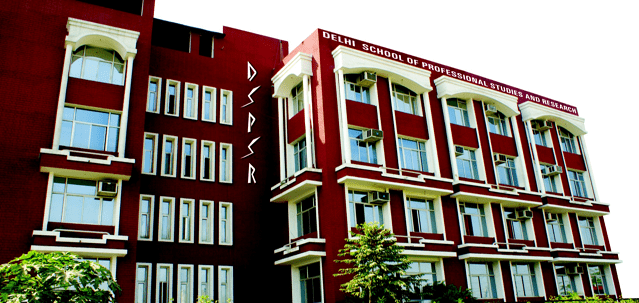
Delhi School of Professional Studies and Research
About
OfficialDelhi School of Professional Studies and Research is a other institution in New Delhi, established in 1999. Delhi School of Professional Studies and Research (DSPSR) is a private undergraduate and postgraduate institution established in 2008, located in the Badarpur area of South Delhi. The institution has carved out a niche in professional education with a focus on management, law, engineering, and computer science programs. Founded with the vision to bridge the gap between academic theory and industry practice, DSPSR has gradually built a reputation as a college where practical skill development is prioritized alongside theoretical knowledge. The institution offers multiple undergraduate and postgraduate programs including Bachelor of Business Administration (BBA), Bachelor of Laws (LLB), Bachelor of Technology (B.Tech) in Computer Science and Electronics & Communication, and various Master's programs. The college has infrastructure spread across 8.5 acres with modern classrooms, computer laboratories, library facilities, and sports amenities. The campus is relatively compact compared to premier institutions but offers a close-knit community environment. DSPSR has made deliberate efforts to strengthen industry connections, particularly in the IT and management sectors. The placement cell works actively with recruiters from top companies, though the overall placement success rate (around 75-80%) is moderate compared to tier-1 institutions. The average salary for placed students hovers around 5-6 lakhs per annum, with highest packages reaching 18-20 lakhs for select candidates in technology profiles. Academically, the institution emphasizes experiential learning through case studies, industry projects, and internship placements during final year. The faculty comprises a mix of doctorate holders and industry professionals, with approximately 65% holding PhDs across various disciplines. Faculty actively engage in research in areas like data science, business analytics, cyber security, and constitutional law, though research output remains modest compared to tier-1 institutions. The campus life at DSPSR is moderately vibrant with student clubs focused on entrepreneurship, technical competitions, cultural activities, and sports. Annual fests like 'Synergy' (management fest) and 'TechNiche' (technical fest) provide platforms for student engagement. However, the infrastructure for extracurricular activities is somewhat limited due to the compact campus size, and many students gravitate towards off-campus events and competitions. Hostel facilities are available for both boys and girls with separate accommodations. The hostels are basic but functional, with shared rooms and amenities including WiFi, common areas, and a mess. Hostel life creates a community atmosphere but facilities are not luxurious—students should manage expectations around space and amenities. The mess serves vegetarian and non-vegetarian food with quality ranging from average to good depending on the season and menu variety. What makes DSPSR relatively unique is its location in South Delhi's growing IT and commercial corridor (Badarpur-Jasola area), which provides decent connectivity to corporate offices and tech parks. The institution has built reasonable partnerships with companies in IT services, management consulting, and financial services sectors. However, it lacks the brand recognition and industry pull of tier-1 institutions like DU, JNU, or IITs. The institution is UGC-approved and NAAC-accredited with a B+ grade, indicating reasonable academic standards and infrastructure. However, accreditation with specialized bodies like AACSB (for business programs) or EQUIS remains absent, which can be a limitation for MBA graduates seeking international recognition. Students joining DSPSR should have realistic expectations: this is a good option for those seeking professional education in management or law with decent placement prospects and industry exposure, but it is not a top-tier institution in terms of brand value, research output, or selective recruitment. It serves middle-to-upper-middle-class students who can afford private education but may not qualify for or afford premium private universities or central universities. The institution is best suited for candidates who value practical skill development, industry interaction, and post-graduation employability over pure academic prestige or research opportunities. Key strengths include industry partnerships, moderate placement success, faculty with professional experience, and a growing alumni network in corporate sectors. Key limitations include modest brand recognition beyond Delhi, limited research output, basic but functional infrastructure, and average campus size that constrains extracurricular activities. The institution represents a middle ground in Delhi's higher education landscape—better than some universities by rank but not in the tier-1 category.