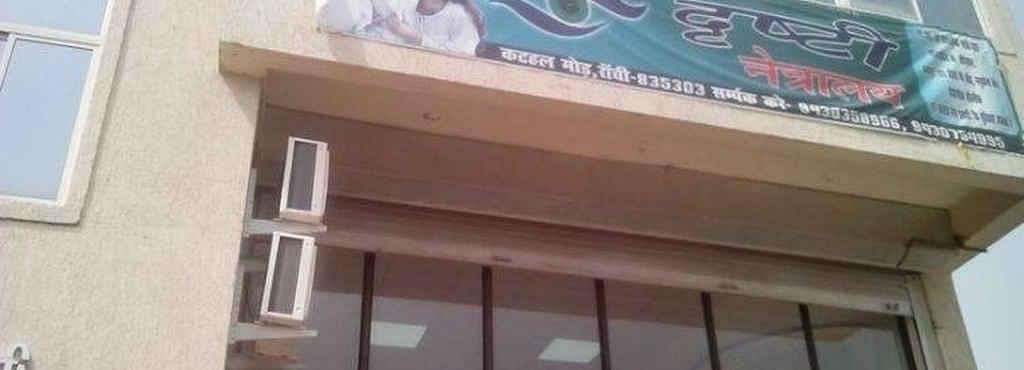
Drashti Netralaya
About
OfficialDrashti Netralaya is a other institution in Dahod, established in 2009. Drashti Netralaya, situated in the bustling district headquarters of Dahod, Gujarat, stands as a beacon of advanced ophthalmic care in the region. Established with a vision to provide accessible and high-quality eye treatment to both urban and rural populations, it has grown from a modest clinic into a comprehensive tertiary eye care hospital. While primarily a healthcare institution, Drashti Netralaya also plays a crucial role in medical education, particularly through its Diplomate of National Board (DNB) program in Ophthalmology. This unique dual identity makes it a distinctive institution for aspiring ophthalmologists seeking rigorous clinical training. The hospital's founding history is rooted in a commitment to community service, addressing the significant burden of preventable blindness in Gujarat. Over the years, it has invested heavily in state-of-the-art diagnostic and surgical equipment, attracting a team of highly skilled ophthalmologists and support staff. Its reputation for ethical practice and patient-centric care has made it a trusted name, drawing patients from Dahod and surrounding tribal and rural areas, as well as from neighboring states. Academically, Drashti Netralaya is recognized by the National Board of Examinations (NBE) for its DNB Ophthalmology program. This postgraduate medical residency is a three-year, full-time, intensive training curriculum designed to produce competent and compassionate eye specialists. The program emphasizes hands-on clinical experience, surgical skill development, and academic learning. Residents are exposed to a vast and diverse patient load, covering a wide spectrum of ocular diseases, including cataracts, glaucoma, retinal disorders, corneal pathologies, pediatric ophthalmology, and oculoplasty. The structured curriculum includes daily ward rounds, outpatient clinics, surgical assists, independent surgeries (under supervision), didactic lectures, case presentations, journal clubs, and regular academic evaluations. The hospital's commitment to continuous medical education ensures that residents are up-to-date with the latest advancements in ophthalmology. Research strengths at Drashti Netralaya are primarily clinical and public health-oriented. The high patient volume provides ample opportunities for residents and consultants to engage in clinical studies, case series, and epidemiological research relevant to the regional disease patterns. Focus areas include outcomes of various surgical techniques, prevalence of specific eye conditions in tribal populations, and effectiveness of community eye health initiatives. While not a traditional research university, the institution fosters a culture of evidence-based practice and encourages residents to present papers at national conferences and publish in peer-reviewed journals. The consultants often collaborate on multi-centric studies and contribute to national ophthalmic guidelines. Campus life for DNB residents at Drashti Netralaya is distinct from a conventional university. It is characterized by a demanding yet rewarding residency schedule. Residents typically reside in on-campus or nearby hospital-provided accommodation, fostering a close-knit community among themselves. While formal clubs and societies are absent, residents often organize informal study groups, clinical discussions, and occasional social gatherings. The focus remains squarely on clinical training and academic pursuits. The hospital environment itself becomes the "campus," with its library, diagnostic labs, and operation theaters serving as primary learning spaces. There are no large annual fests or extensive sports facilities typical of a university, but the professional camaraderie and shared learning experience form the core of their "campus life." The placement record for DNB Ophthalmology graduates from Drashti Netralaya is exceptionally strong. Given the high demand for qualified ophthalmologists in India, particularly in semi-urban and rural areas, graduates typically secure positions immediately upon completion of their residency. Many choose to join private hospitals, government healthcare services, or even establish their own practice. The rigorous training and extensive surgical exposure received at Drashti Netralaya make its alumni highly sought after. The median salary for a fresh DNB ophthalmologist is competitive, reflecting the specialized nature of the profession. Top recruiters include other tertiary eye care centers, multi-specialty hospitals, and private ophthalmic clinics across Gujarat and neighboring states. Notable alumni, though not widely publicized as in large universities, include numerous successful ophthalmologists who have gone on to establish thriving practices, lead departments in other hospitals, or contribute significantly to community eye health programs. Their success stories are a testament to the quality of training imparted at Drashti Netralaya. What makes Drashti Netralaya unique as a teaching institution is its blend of high-volume clinical practice with a strong commitment to postgraduate medical education in a non-metro setting. Residents gain unparalleled exposure to a diverse patient demographic and a wide range of pathologies, often seeing conditions that are less common in urban super-specialty centers. The mentorship from experienced consultants is direct and personalized, given the smaller batch sizes. The focus is intensely practical, preparing residents for real-world challenges in ophthalmic practice. Who should apply? This program is ideal for highly motivated MBBS graduates who have successfully cleared NEET-PG and are passionate about ophthalmology. Candidates who thrive in a demanding clinical environment, are eager for hands-on surgical training, and are committed to serving diverse patient populations will find Drashti Netralaya an excellent choice. It is particularly suited for those who prioritize intensive practical learning over a traditional university campus experience and are prepared for the rigors of a medical residency in a Tier 3 city. While the social life might be less vibrant than a large university, the professional growth and clinical expertise gained here are invaluable. Prospective students should be aware that Dahod, while a district headquarter, offers a more modest urban experience compared to larger metropolitan cities, which can be a pro for those seeking a focused, distraction-free learning environment, but a con for those accustomed to extensive city amenities.