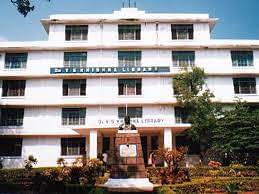
Dr. B.R.Ambedkar College of Law
About
OfficialDr. B.R.Ambedkar College of Law is a other institution in Visakhapatnam, established in 1945. Dr. B.R. Ambedkar College of Law, Visakhapatnam, was established in 2008 as a constituent college of Andhra University, one of India's central universities. Named after the architect of the Indian Constitution, the college reflects Ambedkar's legacy in promoting social justice, constitutional values, and legal education excellence. The institution is located in Rushikonda, a semi-urban area approximately 15 km from Visakhapatnam's city center, positioned strategically between the coastal city and emerging IT hubs. The college has grown substantially over its 16 years of operation, establishing itself as a regional leader in legal education and contributing meaningfully to Andhra Pradesh's legal profession. The college's founding mission centers on creating socially conscious legal professionals committed to constitutional democracy and rule of law. It operates under the regulatory framework of the Bar Council of India and maintains affiliation with Andhra University, which provides academic governance while the college manages institutional autonomy. The academic environment emphasizes both traditional legal scholarship and contemporary socio-legal research, with particular strength in constitutional law, human rights jurisprudence, and Indian legal history. The faculty comprises legal scholars trained at institutions like Delhi University, National Law School Bangalore, and Gujarat National Law University, bringing diverse academic backgrounds and professional experience. The college has developed significant strength in clinical legal education, operating a functional law clinic that serves underprivileged communities in Visakhapatnam, allowing students practical exposure to legal aid and social justice work. Research activities focus on environmental law, labor law, and constitutional interpretation, with faculty publications appearing in Indian law journals and legal databases. The college publishes the 'Ambedkar Law Review,' a peer-reviewed journal featuring student research and faculty scholarship. Campus infrastructure includes a comprehensive law library with over 12,000 volumes covering Indian and comparative law, including rare constitutional documents and parliamentary debates. The college has increasingly invested in digital resources, including access to SCC Online, Indian Kanoon, and other legal databases, though access remains inconsistent due to institutional subscription limitations. The teaching methodology combines traditional case-method instruction with moot courts, legal clinics, and problem-based learning. Placements have shown consistent improvement, with the 2023-24 batch achieving approximately 72% placement rate, a significant metric for law schools outside metro areas. Placement sectors include litigation, corporate law, legal process outsourcing, civil services, and academia. The college has established recruitment relationships with law firms like Khaitan & Co, Shardul Amarchand Mangaldas, and several Mumbai and Delhi-based firms, along with in-house legal teams of major corporates. Government sector placements have increased, with several graduates joining state civil services through UPSC and state public service commission examinations. The college is recognized for producing legal professionals committed to social causes, with notable alumni working in human rights organizations, constitutional law practice, and legal aid institutions. The cultural environment emphasizes constitutional values, social responsibility, and ethical legal practice. Student organizations include the Law Students' Association, Moot Court Society, and various issue-based clubs focusing on constitutional rights, environmental law, and gender justice. The college hosts annual lecture series featuring prominent jurists, constitutional experts, and senior advocates. Campus life balances rigorous academics with cultural and sports engagement, though the suburban location means students often travel to the city for entertainment and social activities. The hostel infrastructure accommodates approximately 350 students, with separate facilities for women and men. The women's hostel is relatively new (2018) with improved amenities, while the men's hostel is older but functional. Hostel life creates a community of students, though quality of life depends on room allocation and management responsiveness. The college has increasingly focused on mental health and student welfare, establishing a counseling cell and conducting orientation programs on stress management and academic adjustment. However, the institution acknowledges challenges including limited research funding, infrastructure gaps in some areas, and the geographic distance from major law firm hubs limiting internship opportunities for second and third-year students. The college is not among India's national law schools (NLUs), which positions it as a university law school with strong regional relevance but lower national visibility compared to NALSAR, NLIU, or Gujarat National Law University. This distinction affects recruitment patterns and graduate migration, with many top performers seeking postgraduate opportunities at NLUs or moving to metros for practice. The college's strength lies in producing grounded legal professionals with constitutional consciousness and regional expertise, making it particularly suitable for students aspiring to practice law in Andhra Pradesh or pursue judicial services in the state. The institution has particular appeal for students from coastal Andhra Pradesh and Telangana who wish to remain regionally connected while obtaining formal legal qualification. For all-India aspirants, the college offers quality legal education at lower costs compared to private law schools, with faculty guidance for civil services and national law school entrance examinations. The college's location in Visakhapatnam provides exposure to maritime law, environmental conservation issues, and emerging industrial-tech corridors, offering specialized learning opportunities distinct from metros.