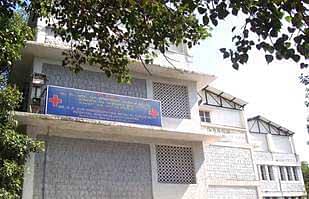
Dr. B. R. Sur Homoeopathic Medical College, Hospital and Research Centre
About
OfficialDr. B. R. Sur Homoeopathic Medical College, Hospital and Research Centre is a other institution in New Delhi, established in 1999. Dr. B. R. Ambedkar Institute of Homoeopathic Medical Sciences and Research Centre, commonly known as Dr. B. R. Sur Homoeopathic Medical College, was established in the early 2000s and has emerged as one of Delhi's recognised institutions for homoeopathic medicine education. Located in the Rohini area of northwest Delhi, the college operates under the regulatory framework of the National Board of Examinations (NBE) and the Council of Indian Medicine (CCIM). The institution represents India's growing recognition of homoeopathic medicine as a legitimate alternative healthcare system, with the college playing a meaningful role in training practitioners who serve Indian communities seeking holistic treatment approaches. The college's founding reflected the broader shift in Indian medical education towards integrating traditional and alternative medicine systems alongside allopathy. Homoeopathy, though controversial in international circles, maintains significant patient demand in India, with millions consulting homoeopathic practitioners annually. Dr. B. R. Sur's curriculum is designed to meet CCIM standards, emphasizing foundational homoeopathic philosophy, materia medica, case-taking methodology, and clinical practice with actual patients in the attached hospital. Academic Structure: The college offers a 5.5-year integrated Bachelor of Homoeopathic Medicine and Surgery (BHMS) programme with an annual intake of approximately 100 students in the undergraduate stream. The programme is structured with three years of theory and practical coursework, followed by 2.5 years of clinical internship where students directly manage patients under supervision. The curriculum balances classical homoeopathic principles with modern medical sciences, including anatomy, physiology, pathology, and diagnostics, enabling graduates to function effectively within India's regulated healthcare environment. Postgraduate programmes include Master of Surgery (MS) and Doctor of Philosophy (PhD) tracks in various homoeopathic specialities, though these remain limited in scale compared to undergraduate offerings. The college has gradually expanded research infrastructure to support thesis-based postgraduate work, though it remains significantly behind premier medical institutions in both funding and facilities. Campus Infrastructure: The 8.5-acre campus in Rohini is suburban in character, approximately 25 km from central Delhi. The college operates a 150-bed teaching hospital attached to the college, providing students direct exposure to diverse patient cases. The hospital serves a lower-to-middle-income patient demographic from north Delhi, offering practical training grounds but also exposing students to resource constraints and high patient volumes. The library holds approximately 15,000 volumes with a growing digital repository, though students report limited access to international homoeopathic journals and databases compared to conventional medical colleges. Research and Academic Strengths: The college maintains research focus areas in homoeopathic remedy efficacy, clinical outcome documentation, and integration of homoeopathy with conventional diagnostics. Faculty have published in peer-reviewed Indian journals, though international publication record remains modest. The institution has received recognition from CCIM for maintaining educational standards, and periodic inspections confirm compliance with prescribed curricula. However, the college does not possess NAAC accreditation and has not pursued it, limiting its standing in broader academic rankings. Placement and Career Pathways: Graduates typically pursue private practice (approximately 60% of graduates), government positions under AYUSH scheme (20%), further studies including postgraduate diplomas (10%), or hybrid models combining practice with teaching roles. The college maintains relationships with AYUSH-regulated clinics and hospitals across India, facilitating internship-to-employment transitions. Many graduates establish their own homoeopathic clinics in tier-2 and tier-3 cities where patient demand for alternative medicine remains consistently high. Notable Alumni: The college has produced practitioners who have established well-regarded homoeopathic clinics across Delhi NCR and northern India. Some alumni have pursued regulatory roles within CCIM and state homoeopathic boards. However, the institution does not have alumni in international prominence or major research publications. Campus Life and Culture: Student life centers around clinical training, case seminars, and homoeopathic discussion forums. The college emphasizes mentorship-based learning where senior practitioners guide junior students in patient consultation. Social life is moderate compared to conventional medical colleges—students report strong peer bonds formed through shared clinical rotations and case discussions. Annual cultural and sports events exist but carry less prominence than in larger institutions. The college culture emphasizes dedication to homoeopathic principles and patient-centered care rather than competitive achievement. Unique Positioning: Unlike conventional medical colleges competing for NEET ranks, Dr. B. R. Sur's admissions are primarily through merit-based selection with significantly lower entrance cutoffs, making it accessible to students with moderate academic performance who are genuinely interested in homoeopathic practice. This democratization of access, however, attracts both motivated learners and students viewing it as an easier medical pathway, creating mixed peer groups. Critical Assessment: The institution serves a genuine niche in India's healthcare landscape, training practitioners for a system with established patient demand. However, it operates within inherent constraints: limited research funding, modest infrastructure compared to conventional medical colleges, regulatory restriction to homoeopathic practice, and international skepticism regarding homoeopathic efficacy. Graduates face professional credibility challenges in global contexts and have limited mobility into conventional medical practice. The college is honest about these realities in admission counseling. Who Should Apply: Students genuinely convinced of homoeopathic philosophy and willing to build practice in India's domestic market. Those seeking accessible entry to a medical profession without competing through ultra-competitive JEE/NEET pathways. Students interested in alternative medicine entrepreneurship and clinic establishment. NOT recommended for those seeking international medical career mobility, those skeptical of homoeopathy's scientific basis, or those viewing it as a backup to conventional medical education. The college is most valuable for Indians planning to serve Indian patients through homoeopathic medicine.