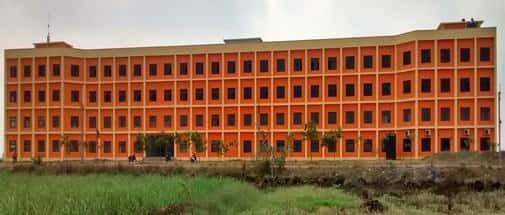
DJR College Of Engineering & Technology
About
OfficialDJR College Of Engineering & Technology is a other institution in Krishna, established in 2009. DJR College of Engineering & Technology (DJRCET) is a private engineering college located in Krishna district, Andhra Pradesh, established in 2008. The institution was founded with the vision of providing quality technical education accessible to deserving students from middle and lower-middle-class backgrounds. Over the past 15+ years, it has evolved from a small institution into a recognized engineering college with a diverse student body of approximately 2,400 students and a faculty of 185 educators across multiple disciplines. The college offers undergraduate engineering programs in 8+ disciplines including Civil Engineering, Mechanical Engineering, Electrical & Electronics Engineering, Electronics & Communication Engineering, Computer Science & Engineering, Information Technology, Chemical Engineering, and Biotechnology. Additionally, DJRCET runs postgraduate programs (M.Tech) in select specializations including Structural Engineering, Thermal Engineering, Power Systems, and Advanced Networking. The institution is affiliated with Jawaharlal Nehru Technological University (JNTU), Kakinada, and follows the JNTU academic curriculum with a 4-year duration for undergraduate programs and 2 years for postgraduate studies. Academically, DJRCET has positioned itself as a value-for-money engineering institution in the state. While it is not among the top-tier engineering colleges in Andhra Pradesh, the faculty composition includes educators with industry experience and academic credentials. The college maintains a respectable student-faculty ratio of approximately 13:1, though concerns exist about PhD holder percentage among faculty (estimated at 35-40% against national best practices of 60%+). Core competency areas include civil engineering projects, mechanical design, embedded systems, and software development, though research infrastructure and publications remain modest compared to established NITs and IITs. Campus infrastructure includes a central library with over 25,000 books and digital resource access, computer labs with 200+ systems, physics and chemistry labs, civil engineering experimental labs, and workshop facilities for mechanical engineering. Internet connectivity covers most of the campus at approximately 10 Mbps average speed. The institution has made recent investments in modern classrooms with projection facilities and a dedicated placement cell with a modest track record. Placement performance has been a mixed story. In 2023-24, the college reported approximately 68-72% placement rate across engineering branches, with median salaries ranging from 3.2-4.8 lakhs annually. Top recruiting companies include HCL Technologies, TCS, Wipro, Infosys, and regional manufacturing units. Core engineering placements (civil, mechanical) remain challenging with lower average packages (2.8-3.5 lakhs) compared to IT/CSE branches (4.2-5.2 lakhs). A significant portion of students seek employment outside their home state, particularly in Karnataka, Telangana, and Tamil Nadu tech hubs. Student life at DJRCET reflects a semi-rural campus environment. The college maintains on-campus hostel facilities for approximately 40% of the student population with segregated accommodations for boys and girls. Hostel fees range from 35,000-45,000 per annum, and mess charges approximately 12,000-15,000 per annum. Cultural diversity exists with students coming from various regions, though the majority are Andhra Pradesh domicile. The campus hosts annual technical fest (CodeX), cultural fest (Spectrum), and sports events, though scale and funding remain modest. Student-run clubs cover technical domains (robotics, coding), cultural interests, and entrepreneurship, though participation varies by year. A critical consideration for prospective students: the college is located in a rural setting approximately 40 km from Vijayawada city, the nearest major urban center. This remoteness presents both advantages (focused academic environment, lower living costs) and disadvantages (limited weekend entertainment, fewer internship opportunities locally, reduced exposure to startup ecosystem). The area experiences significant heat during April-June (40-43°C) and monsoon from June-September, which can impact campus activities. Admissions are conducted through JEE Main ranks (for students targeting engineering). The college typically receives approximately 4,000-5,000 applications annually for 600-700 undergraduate seats. Acceptance rates vary by branch, with CSE/IT being highly competitive (acceptance of top 15-20% of applicants) and civil/mechanical being more accessible. The college actively participates in the EAMCET (for Andhra Pradesh state quota) and JEEM counseling processes. Notable alumni of DJRCET include software engineers at major IT firms, civil engineers working on infrastructure projects across India, and a few entrepreneurs in the EdTech and software services space. However, the college has not yet produced nationally acclaimed figures or leaders in their respective fields, which is expected given its relatively recent establishment and focus on mainstream engineering education. Who should apply: DJRCET is best suited for students from middle-class backgrounds seeking affordable engineering education with a structured learning environment, those committed to core engineering fields or IT services-oriented careers, and students from Andhra Pradesh and neighboring states who prefer a regional institution. The college is NOT recommended for students aspiring to research-oriented careers, those seeking startup ecosystem exposure, or those who prioritize world-class infrastructure and faculty research output. Students seeking placement in premium tech companies through campus recruitment may face limited opportunities, though TCS, HCL, and Wipro do participate. The institution works best for self-motivated learners who can supplement college teaching with online platforms (NPTEL, Coursera) and personal project work, as faculty-led research opportunities are limited. The college offers good value proportional to its fees (approximately 3-4 lakhs for 4-year engineering) compared to similarly-ranked private institutions, though it cannot compete with NITs or top-tier BITS-level colleges on placement outcomes or infrastructure quality.