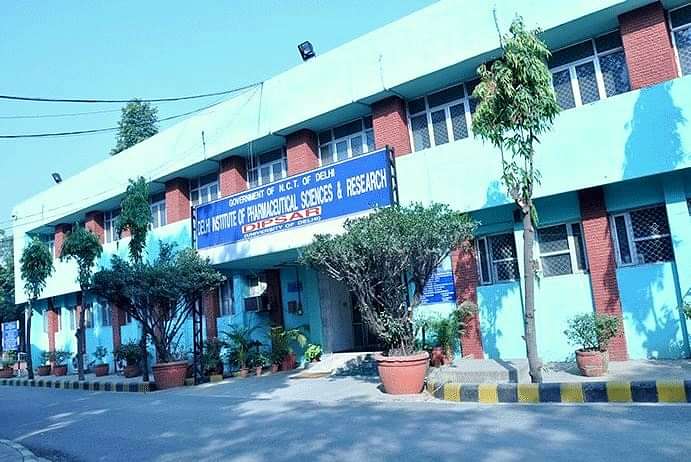
Delhi Institute of Pharmaceutical Sciences and Research
About
OfficialDelhi Institute of Pharmaceutical Sciences and Research is a other institution in Delhi, established in 1964. Delhi Institute of Pharmaceutical Sciences and Research (DIPSAR) is a premier pharmaceutical institution established in 2007 under the Delhi Pharmaceutical Sciences and Research University (DPSRU) act, making it one of India's first dedicated university-level pharmacy institutions. Located in NOIDA's Sector 85, the institute represents a significant shift in Indian pharmaceutical education from traditional college-centric models to comprehensive university-led research and innovation ecosystem. Founding and Legacy: DIPSAR was conceptualized as part of Delhi government's vision to create world-class pharmaceutical education and research infrastructure. The institution is autonomous, granting it significant flexibility in curriculum design, research prioritization, and industry collaboration. This autonomy has allowed DIPSAR to evolve rapidly, though it also means greater administrative responsibility falls on institute management. Academic Structure: The institute offers comprehensive programs across B.Pharm (UG), M.Pharm (PG in multiple specializations), and Ph.D. programs. The B.Pharm program spans 4 years and follows the All India Council for Technical Education (AICTE) guidelines with significant autonomy in content delivery. M.Pharm specializations include Pharmaceutics, Pharmacology, Pharmaceutical Chemistry, Pharmacognosy, and Pharmaceutical Analysis. The institute recently introduced MBA in Pharma Management and B.Tech in Pharmaceutical Technology to diversify career pathways. Academic Quality and Curriculum: The curriculum balances theoretical rigor with practical application. Laboratory sessions are intensive, with 40-50% of contact hours devoted to hands-on work in well-equipped labs. The institute emphasizes problem-based learning and case studies relevant to pharmaceutical industry challenges. However, some students report that despite modern infrastructure, teaching methodology remains traditional in certain departments, with heavy reliance on chalk-and-talk approaches rather than interactive learning. Research Strengths: DIPSAR has emerged as a genuine research hub in Indian pharmacy education. The institute houses dedicated research centers in Drug Discovery & Development, Medicinal Chemistry, and Novel Drug Delivery Systems. Faculty members have published extensively in indexed journals—averaging 2-3 research papers per faculty member annually. The institute has collaborative MoUs with international universities including universities from UK, USA, and Australia, enabling student exchange programs and joint research projects. Research funding from CSIR, DBT, and industry sponsors totals approximately 4-5 crore annually. Pharmaceutical Industry Interface: Unlike many academic institutions, DIPSAR maintains strong connections with Indian pharmaceutical industry through guest lectures, industrial projects, and internship placements. Companies like Cipla, Lupin, Sun Pharma, and Glenmark regularly conduct seminars and recruit from campus. The institute has established Industry Advisory Board that guides curriculum updates based on market demands. Campus Infrastructure: The 15-acre campus in NOIDA is modern and well-planned. The institute has invested heavily in state-of-the-art laboratory equipment including HPLC, GC-MS, UV-VIS spectrophotometers, and bioreactors. The library holds over 50,000 books and 100+ journal subscriptions. However, internet connectivity remains inconsistent across campus—while hostels have good WiFi, classroom buildings experience frequent disconnections during peak hours. The cafeteria operates single-shift model, creating congestion during lunch hours. Faculty and Research Culture: The institute has attracted faculty with Ph.D. from reputed institutions and industry experience. Approximately 75% of faculty hold Ph.D. qualifications. The research culture is genuine but nascent—while senior faculty are research-active, junior faculty sometimes struggle to balance teaching load with research expectations. The student-faculty ratio is approximately 1:15, allowing reasonable access to guidance. Placement Landscape: DIPSAR's placement record is strong within pharmacy sector but specialized. Average placement percentages hover around 85-90%, with salary ranges of 4.5-8 lakh for B.Pharm graduates and 6-12 lakh for M.Pharm graduates. Unlike general engineering colleges, DIPSAR placements are concentrated in pharmaceutical manufacturing, regulatory affairs, quality assurance, and clinical research—not software/IT sectors. This specialization means job profiles are well-aligned with education, but career flexibility is lower. Top recruiters include Cipla, Lupin, Sun Pharma, Glenmark, Cadila Healthcare, Aurobindo Pharma, and contract research organizations like Covance and Charles River Laboratories. International Exposure: The institute facilitates summer internships at international pharma companies and research institutions. Students from top batches have completed internships at regulatory agencies like EMA and FDA. M.Pharm students have opportunities for exchange programs in UK and USA universities. However, such opportunities are limited to top 20-30% of the batch and require high academic performance. Placement Challenges: One significant caveat—placement specialization means fewer companies recruit from DIPSAR compared to general engineering colleges. During economic slowdowns affecting pharma sector (as in 2020-21), placement numbers dipped to 70-75%. Students seeking non-pharma careers (consulting, finance, IT) find campus recruitment limited. Many students pursue additional certifications in data analytics or finance to pivot careers. Student Life and Culture: The student community is relatively small (1200 total across all years), creating close-knit batches. Cultural programs are organized but less grandiose compared to IITs or NITs. Sports participation is moderate—the campus has basketball and volleyball courts, but facilities for cricket and football are limited. The institute is attempting to build stronger sports culture but faces constraints due to limited space. Gender Diversity: The institute maintains approximately 60% female and 40% male student ratio, reflecting pharmacy's demographic reality. Women students report feeling safe on campus, though evening classes (6-8 PM slots) sometimes create concerns about transport back to hostels. Hostel Life: Hostels are segregated by gender. Boys' hostels house 150+ students in shared rooms (2-3 per room). Girls' hostels are better maintained with 2-per-room configuration. Hostel fees are reasonable (25,000-30,000 per year), and mess quality is average—food is nutritious but monotonous, with limited vegetarian options beyond standard dal-rice-subzi combinations. Hostel internet is 24 Mbps shared, which strains during evening hours. City and Lifestyle: Located in NOIDA Sector 85, the campus is 45-50 km from central Delhi but well-connected via Delhi-Noida Direct (DND) Flyway and Delhi Metro. The neighborhood offers basic amenities but lacks the vibrancy of central Delhi. Weekly markets for groceries are 2-3 km away. Shopping malls and entertainment hubs are 5-10 km away in Sector 18. This suburban location means students spend 1.5-2 hours daily on commute if studying from home. Financial Accessibility: The institute is significantly cheaper than private pharmaceutical colleges (Manipal, Nirma) but costlier than government colleges. B.Pharm fees are approximately 85,000 annually; M.Pharm fees are 1.2 lakh annually. Given the specialized nature of education and placement outcomes, the ROI is reasonable for students committed to pharma careers. Notable Alumni: While the institute is relatively young (founded 2007), it has already produced notable alumni in pharma industry. Several graduates work in regulatory affairs at major pharma companies, some in research roles at multinational pharma organizations, and some have pursued entrepreneurship in healthcare startups. Strengths Summary: DIPSAR excels in providing focused pharmaceutical education with strong industry interface, genuine research culture, quality infrastructure, and specialized placement outcomes. The autonomous status enables rapid curriculum evolution and strong academia-industry collaboration. Weaknesses Summary: Limited campus recreational facilities, suburban location increasing daily commute, placement concentration in pharma sector limiting career flexibility, inconsistent teaching methodologies across departments, and relatively new institution means fewer established alumni networks compared to older institutions. Who Should Apply: DIPSAR is ideal for students with genuine interest in pharmaceutical sciences, drug development, regulatory affairs, or healthcare sector. It's suitable for those seeking specialized knowledge and industry-aligned education. Not recommended for students looking for general science degrees or seeking maximum career flexibility. Best suited for committed learners willing to specialize early in their careers.