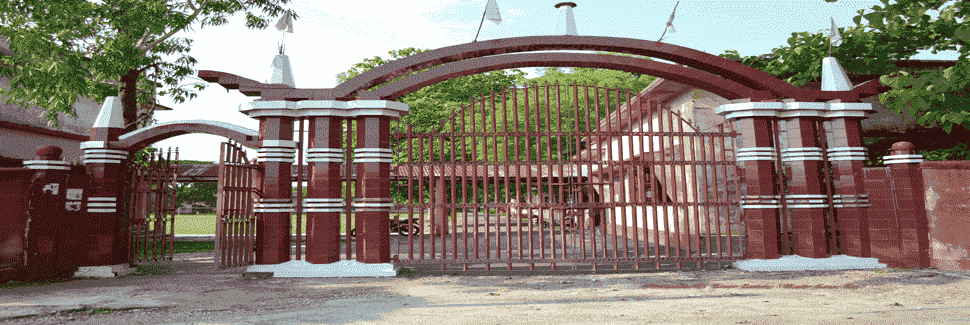
Dinhata College
About
OfficialDinhata College is a other institution in Raniganj, established in 1956. Dinhata College, established in 1960, is a government-aided undergraduate and postgraduate institution located in Raniganj, West Bengal. Founded to provide accessible quality higher education to students from the surrounding coal mining belt and rural areas, the college has evolved into a recognized regional institution serving over 2,450 students across 15+ academic programs. Situated approximately 15 km from Raniganj railway station and 60 km from Kolkata, the college occupies a 12.5-acre campus with a mix of older colonial-era buildings and modern facilities constructed over the past two decades. The institution is affiliated with Burdwan University and offers UG and PG programs across Sciences, Arts, and Commerce disciplines, with selective vocational and professional programs. Historically, Dinhata College has served primarily first-generation learners, many from vernacular medium backgrounds, with a significant student population from working-class families in the mining and industrial sectors. The college's founding mission—democratizing education in a region underserved by elite institutions—remains its core identity. ACADEMIC STRENGTHS: The college's strongest programs are in Chemistry, Botany, Zoology, and History, where faculty possess specialized research expertise and have published in regional journals. The Science stream attracts capable students seeking lab-intensive training, though research infrastructure lags behind central universities. The Commerce and Arts streams emphasize social sciences, with notable contributions in Indian history and political science. However, STEM placement outcomes remain modest (35-45% placement) compared to metropolitan colleges. RESEARCH & INNOVATION: Faculty research is primarily in plant biology, soil chemistry, and local history studies. The college lacks formal research centers or significant industry partnerships. PhD involvement is low (~8% of faculty hold PhDs), limiting advanced research opportunities. Some faculty members conduct independent research but without substantial institutional support or funding. CAMPUS LIFE & INFRASTRUCTURE: The campus is functional but aging. The main library houses 45,000+ volumes but lacks digital resources and e-journals beyond UGC-mandated subscriptions. WiFi coverage is patchy, available mainly in administrative blocks. The auditorium (500-seat) hosts departmental seminars and annual college events. Lab facilities for science students are adequate but equipment is 5-10 years old. A new block with computer labs and seminar halls was commissioned in 2021. Hostels accommodate approximately 200 students (out of 2,450), creating a largely day-scholar campus culture. Sports facilities include a volleyball court, badminton courts, and a small gymnasium. PLACEMENTS & CAREER OUTCOMES: Placement data reflects the college's regional positioning. Overall placement percentage hovers around 38-42% (academic year 2023-24), with significant variation by stream. Science graduates find roles in teaching (schools and pre-university colleges), technical support, and some manufacturing units. Commerce graduates move into banking and accounting roles, particularly with nationalised banks and regional financial institutions. Arts graduates pursue civil services coaching, teaching, or journalism. Average salary: ₹220,000-280,000 annually. Highest salary (outlier): ₹850,000 (IIT placement through exceptional candidate). The college lacks robust campus recruitment; most placements occur through government job notifications and student initiative. NOTABLE ALUMNI: The college has produced journalists, school administrators, civil servants, and academics, though fewer corporate or entrepreneurial alumni compared to Tier-2 private institutions. DISTINCTIVENESS: Dinhata College's unique identity is grounded in equity and access. It serves students who cannot afford metropolitan colleges or entrance exam coaching. Many students are first-generation learners, making the college's mentoring and foundational academic support critical value-add. The college also serves as a teacher-training pipeline for West Bengal schools. WHO SHOULD APPLY: Students seeking affordable, traditional undergraduate education in a supportive environment without metropolitan pressure. Ideal for: first-generation learners, vernacular medium students transitioning to English-medium academics, students prioritizing science lab experience or teacher training, those with limited financial resources. NOT recommended for: students targeting engineering (no programs), high-CTC corporate careers, research-intensive PhDs, or those requiring cutting-edge campus infrastructure. The college is honest about its limitations and unapologetic about its mission: producing responsible graduates for regional communities, not elite placement pipelines. Living costs in Raniganj are significantly lower than metropolitan cities, making this a cost-effective option for quality undergraduate education in a non-competitive, psychologically healthier environment.