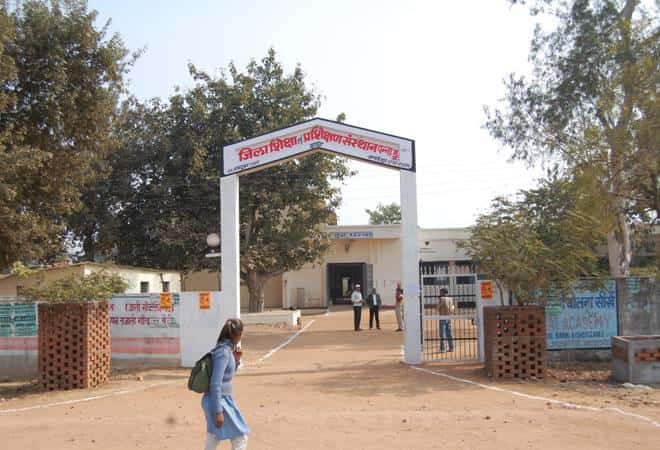
District Institute Of Education & Training, Panna
About
OfficialDistrict Institute Of Education & Training, Panna is a other institution in Panna, established in 2004. The District Institute of Education & Training (DIET), Panna, is a teacher education institution located in Panna district of Madhya Pradesh. Established in the early 2000s as part of India's national initiative to strengthen pre-primary and primary teacher education, DIET Panna serves as a crucial nodal center for training educators across the Bundelkhand region. The institute operates under the framework of the National Council for Teacher Education (NCTE) and is affiliated with the State Open University, Madhya Pradesh. DIET Panna focuses primarily on undergraduate and postgraduate programs in elementary education, with a special emphasis on developing competent, socially-conscious teachers equipped with modern pedagogical methods and inclusive classroom practices. The institute's core mission revolves around bridging the gap between pre-service teacher education and actual classroom needs in rural and semi-urban schools across the region. Academic programs are structured to meet the National Curriculum Framework (NCF) 2005 guidelines and incorporate contemporary educational theories with practical field experience. The curriculum emphasizes child-centered education, activity-based learning, inclusive education for differently-abled students, and community engagement through school partnerships. Faculty members are predominantly experienced educators with backgrounds in elementary education, psychology, and educational administration. The institute maintains strong collaboration with district education offices and partner schools for practicum and internship placements. DIET Panna's teaching methodologies blend traditional instruction with experiential learning, utilizing resource rooms, micro-teaching labs, and community engagement projects. Research at the institute focuses on elementary education effectiveness, inclusive practices, rural educational challenges, and teacher professional development. The student body comprises predominantly Indian candidates from lower and middle-income backgrounds, representing Madhya Pradesh and neighboring states. Campus life, while modest compared to urban institutions, offers a tight-knit community environment. The institute has faced challenges including limited infrastructure relative to emerging educational standards, occasional connectivity issues in digital classrooms, and constraints on research facilities. However, it remains recognized for its dedicated faculty, strong practical orientation, and genuine commitment to rural teacher development. Placements focus on government school appointments through MPSC teacher recruitment exams, with pass rates historically between 65-75% on first attempt. Notable alumni include educators who have implemented innovative school programs in rural districts and contributed to state-level educational policy discussions. DIET Panna is ideal for candidates passionate about teaching in underserved communities, those from rural backgrounds seeking teacher credentials, and individuals committed to educational equity. The institute attracts students primarily through local networks and state education department channels rather than national entrance examinations. Admission requirements focus on educational commitment, communication skills, and aptitude for teaching rather than competitive academic scores. The institution operates as a public sector teacher education hub, offering affordable education with strong employment linkages to government school systems. Geographic isolation in Panna district presents both advantages (focused learning environment, strong community connection) and disadvantages (limited exposure to urban amenities, reduced access to supplementary educational resources). Students benefit from one-on-one mentoring relationships with faculty and meaningful internship experiences in local schools. The institute's primary value proposition lies in accessible, practice-oriented teacher education leading to sustainable government employment in underserved regions.