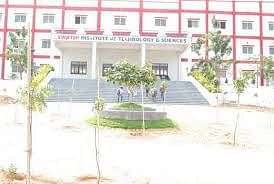
Devaki Amma's Guruvayurappan College of Architecture
About
OfficialDevaki Amma's Guruvayurappan College of Architecture is a other institution in Malapuram, established in 2010. Devaki Amma's Guruvayurappan College of Architecture (DGCA), located in Vengara, Malapuram district, Kerala, is a private architecture college established in 2006 by the Guruvayurappan Educational Trust. The institution was founded with the vision of providing quality architectural education rooted in Kerala's rich cultural heritage while preparing students for contemporary global challenges. Named after its principal benefactor Devaki Amma, the college has evolved into a respected architectural institution in North Kerala, primarily serving students from Kerala and neighboring states. The college is affiliated with the Kerala University of Health Sciences and operates under the regulations set by the Council of Architecture (CoA), India. Over its nearly two decades of operation, DGCA has developed a reputation for combining design excellence with environmental consciousness, reflecting Kerala's architectural ethos. The institution houses dedicated design studios, a well-stocked library with architecture-specific collections, computer labs with industry-standard software, and research facilities focused on sustainable architecture and heritage conservation. The campus is situated in a semi-rural setting near Malapuram city, offering a balanced environment away from urban distractions while maintaining reasonable connectivity to cultural and commercial centers. DGCA's academic programs span undergraduate 5-year B.Arch degrees, postgraduate M.Arch programs in specialized domains, and doctoral research opportunities. The college emphasizes project-based learning, internship placements during summer breaks, and collaborative studio work that mirrors professional architectural practice. Students engage extensively with live projects, heritage documentation initiatives, and sustainable design challenges, particularly focusing on vernacular Kerala architecture. The college maintains active partnerships with architectural firms, government bodies, and NGOs for internship placements and project collaborations. Notable strengths include a faculty composed of practicing architects and designers with industry experience, emphasis on software proficiency (AutoCAD, BIM, 3D modeling, rendering software), and integration of traditional Kerala architectural principles with modern design thinking. The placement record has shown steady improvement, with approximately 75-80% of graduates securing positions in architecture firms, construction companies, and related sectors within 6-9 months of graduation. Alumni are employed across India and internationally, with notable concentrations in architectural firms in Kochi, Bangalore, Mumbai, and Gulf countries. The college is particularly strong in heritage conservation, landscape architecture, and sustainable design, with faculty actively engaged in documentation and research of Kerala's architectural heritage. Campus life is characterized by regular design exhibitions, guest lectures from renowned architects, participation in national architecture competitions, and cultural events reflecting the region's artistic traditions. The institution maintains high academic standards with rigorous design critiques, regular studio reviews, and emphasis on conceptual clarity alongside technical execution. Admission to DGCA is primarily through the NATA (National Aptitude Test in Architecture) examination, with merit-based selection of candidates demonstrating strong design aptitude and academic background. The college maintains moderate fee structures compared to metropolitan architecture colleges, making quality architectural education accessible to middle-class families. However, the rural location, while offering advantages in terms of peaceful study environment and reduced distractions, presents challenges in terms of limited nightlife, weekend entertainment options, and proximity to major architectural hubs. Students should be prepared for a focused academic environment prioritizing design work over social scene. Transportation from Malapuram town to campus is essential, as the college is not within walking distance of major commercial areas. The institution is best suited for students with genuine passion for architecture, willingness to invest time in design projects, comfort with a quieter academic atmosphere, and interest in heritage and sustainable design principles. Prospective students should note that the college's strength lies in traditional architectural design education rather than cutting-edge digital architecture or virtual reality specializations, and placement outcomes favor those who pursue internships actively and build strong portfolios.