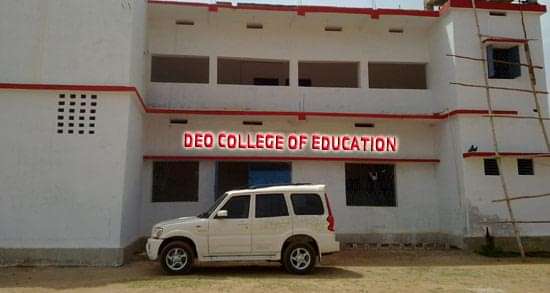
Deo College of Education
About
OfficialDeo College of Education is a other institution in Hazaribagh, established in 2012. Deo College of Education, established in 1996, is a teacher education institution located in Hazaribagh, Jharkhand. The college was founded with the vision of developing quality educators who can contribute meaningfully to India's educational landscape. Situated in the historically significant mining district of Hazaribagh, the college operates under affiliation with Vinoba Bhave University and is recognized by the National Council for Teacher Education (NCTE). The institution has evolved from a modest two-year teacher training center to a comprehensive education college offering multiple degree programs in teacher education and related disciplines. The college's primary mission centers on training educators equipped with contemporary pedagogical knowledge, research acumen, and commitment to social responsibility. Its programs emphasize both theoretical understanding and practical application through extensive school internships and community engagement activities. The college maintains partnerships with 15+ schools across Hazaribagh district for practicum placements, ensuring students gain real-world teaching experience early in their academic journey. Deo College's strength lies in its focus on teacher quality and educational innovation. The faculty comprises 45 educators, with approximately 35% holding doctoral degrees, primarily in education, psychology, and subject-specific disciplines. The college has published research in Indian education journals focusing on inclusive education, rural pedagogy, and technology integration in classrooms. A dedicated research center operates programs investigating educational outcomes in semi-urban and rural Jharkhand contexts. The institution's B.Ed program is structured around competency-based curriculum aligned with NEP 2020 guidelines, offering specializations in elementary education, secondary education, and special education. The M.Ed program focuses on educational leadership, curriculum design, and inclusive education. The college also offers a Certificate in Early Childhood Care and Education, reflecting demand in the growing preschool sector. Campus life at Deo College emphasizes holistic development through academic clubs, cultural activities, and sports programs. The college hosts an annual Education Festival in February featuring seminars, workshops, and student-led teaching demonstrations. Student council elections are held democratically, fostering governance participation. The college library houses 8,000+ books focusing on education, psychology, and subject pedagogy, with digital access to INFLIBNET databases. Internet connectivity covers the entire campus at approximately 15 Mbps, with WiFi in academic blocks and hostel areas. The campus includes a small auditorium (200-seat capacity) used for seminars, plays, and guest lectures. Sports facilities include a volleyball court, badminton courts, and open grounds for basketball and cricket. A health center staffed by one nurse and visiting physicians operates during campus hours. The college maintains separate hostel facilities for men and women, housing approximately 35% of the student population. Women's hostel has curfew timings (10 PM during weekdays, 11 PM weekends), while men's hostel operates with minimal restrictions. Both hostels provide basic amenities including bedding, common rooms, and attached bathrooms. A dining hall serves vegetarian and non-vegetarian meals prepared on-campus. Placement and career support at Deo College focuses on teacher recruitment. The college achieves approximately 72% placement rates for B.Ed graduates, primarily into teaching positions. The Placement Cell maintains partnerships with state and private schools, NGOs, and online education platforms. Most placements occur in schools across Jharkhand, Bihar, and Uttar Pradesh. Salary packages for teaching positions typically range from 180,000 to 320,000 INR annually for entry-level positions in private schools, with government school appointments following state recruitment commission criteria. Notable alumni include district education officers, school principals, NGO founders focused on education access, and education researchers working with national agencies like NITI Aayog and Ministry of Education. What makes Deo College distinctive is its commitment to teacher education quality in a resource-limited setting, strong community connections with Hazaribagh schools, and focus on preparing educators for India's semi-urban and rural contexts. The college does not attempt to compete with tier-1 universities but instead provides specialized, affordable teacher training with strong local relevance. The institution is particularly recommended for aspirants seeking careers in schooling, education administration, curriculum development, or education-focused NGOs. It appeals to candidates from Hindi-medium backgrounds given its curriculum accessibility. Students interested in educational research, policy advocacy, or teacher leadership will find targeted programs. However, this college is NOT recommended for students seeking IT placements, corporate training roles, or expecting metro-level placements. The rural campus location and specialized education focus mean limited exposure to technology sector opportunities. Students must be genuinely interested in education careers; generic degree-seeking students often find the college unfulfilling. The college culture emphasizes academic seriousness, social responsibility, and teacher professional identity development rather than campus hedonism or competitive rat-race mentality.