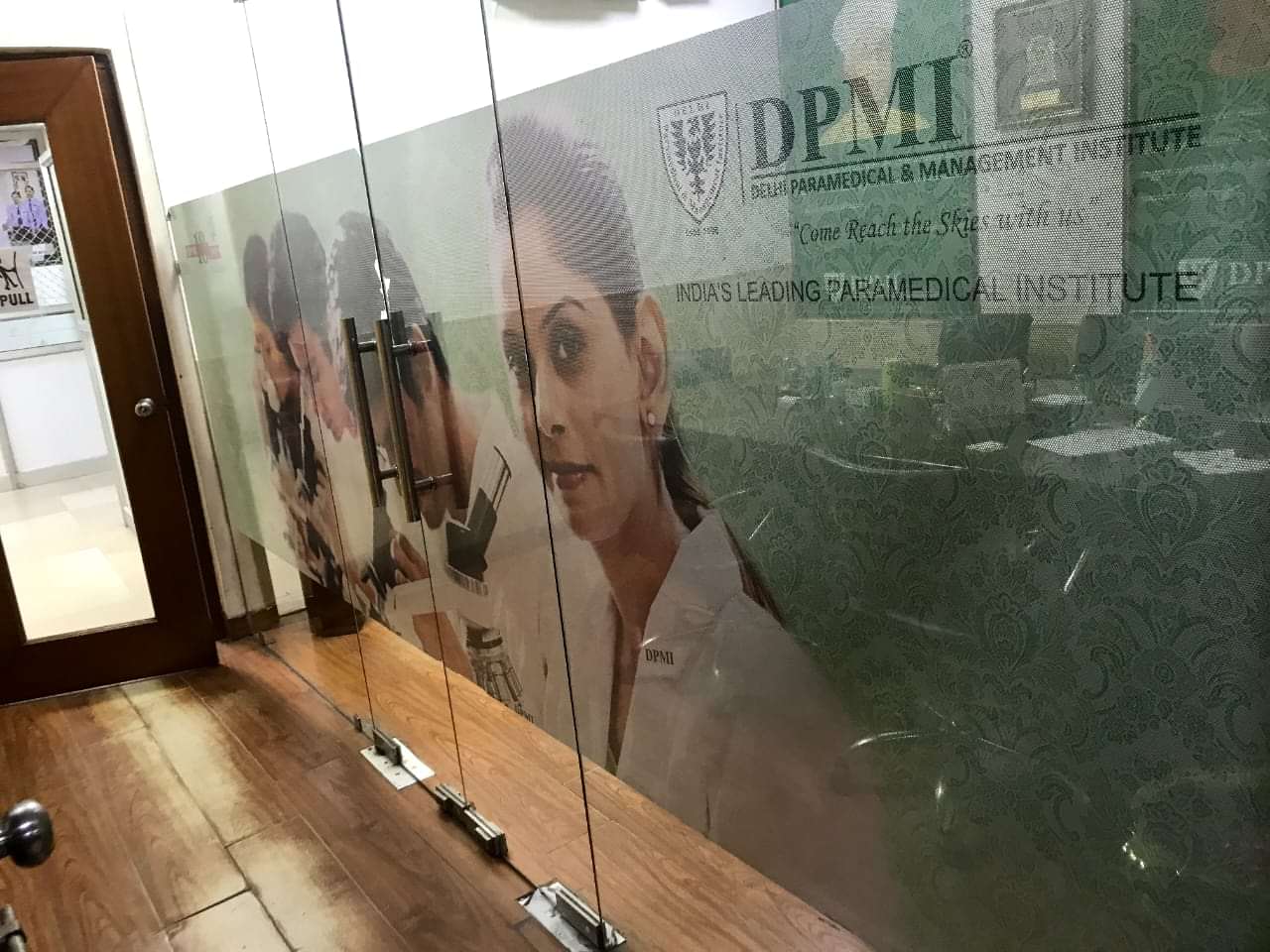
Delhi Paramedical & Management Institute, Gaya
About
OfficialDelhi Paramedical & Management Institute, Gaya is a other institution in Gaya. Delhi Paramedical & Management Institute (DPMI), Gaya, was established in 2008 as a response to the critical shortage of skilled healthcare professionals and management graduates in eastern India. Located in Gaya, Bihar—one of India's oldest pilgrimage cities with significant historical importance—the institute operates as a private institution affiliated with Aryabhatta Knowledge University (AKU). The campus is strategically positioned to serve students from Bihar, Jharkhand, Odisha, and neighboring states who seek quality paramedical and management education without migrating to metros. The institute was founded with the vision of democratizing access to professional healthcare education and business management training in tier-3 India, addressing the acute shortage of paramedical professionals like radiologists, lab technicians, nursing staff, and allied health workers across rural and semi-urban Indian healthcare systems. Academic Programs & Strengths: DPMI Gaya operates across two broad pillars: healthcare and management education. On the healthcare side, the institute offers Bachelor of Science in Nursing (B.Sc. Nursing), Diploma in Nursing, B.Sc. Medical Laboratory Technology, B.Sc. Radiological Technology, B.Sc. Operation Theatre Technology, Diploma in Physiotherapy, and specialized paramedical courses. These programs are designed with heavy emphasis on practical skills, given that paramedical professionals require immediate clinical competency. The management programs include Bachelor of Business Administration (BBA), Master of Business Administration (MBA), and specialized diplomas in business administration and retail management. All healthcare programs are affiliated with relevant nursing councils and medical boards. The management programs carry AICTE approval for technical education standards. Unlike Delhi or Bangalore-based paramedical institutes, DPMI Gaya deliberately positions itself as a regional excellence center, tailoring curriculum to address healthcare delivery challenges in eastern India. The nursing programs, for instance, include mandatory community health projects in rural Bihar villages, exposing students to real-world healthcare inequities they'll eventually address professionally. The institute has developed institutional partnerships with district hospitals in Gaya, Patna, and surrounding regions, securing clinical posting slots for students in genuine patient-care environments rather than simulated labs. Research & Clinical Exposure: While DPMI Gaya is primarily undergraduate and diploma-focused rather than research-intensive, it maintains active engagement with clinical practice and applied research. Faculty members conduct field studies on healthcare outcomes in Bihar's villages and towns, and students participate in these studies as part of capstone projects. The institute has developed case libraries documenting paramedical case studies from partner hospitals, becoming a useful learning repository. However, doctoral research programs are absent, limiting opportunities for students interested in healthcare research careers. The management programs include business consulting projects with local enterprises, helping students apply theory to real Bihari business ecosystems (agriculture, small manufacturing, retail). Campus Infrastructure & Facilities: The 8.5-acre campus includes dedicated academic blocks for healthcare and management disciplines, simulated clinical labs with mannequins for nursing practice, equipped laboratory spaces for medical lab technology students, and radiological imaging equipment. The library holds approximately 15,000 volumes focused on medical, nursing, and management texts. The campus has a health center staffed by nurses and visiting physicians. Wi-Fi coverage is available across campus, though internet speeds (average 15 Mbps) are adequate for academic work but not ideal for high-definition video streaming. The auditorium can host 400+ attendees. Unlike top-tier institutes, DPMI Gaya's infrastructure is functional and meeting accreditation standards but not lavish—no expensive research centers, minimal sports infrastructure, and basic amenities. Placement & Career Outcomes: DPMI Gaya has achieved a 78% placement rate across its programs as of 2023-24, which is respectable for a regional paramedical institute but below Delhi/Bangalore standards (which hover at 85-95%). Placement outcomes vary sharply by program: nursing graduates secure positions relatively easily (85% placement) in hospital chains, diagnostic centers, and increasingly in Gulf countries (Qatar, Saudi Arabia, UAE) via visa sponsorship programs; medical lab technologists achieve 72% placement in diagnostic labs and hospitals; BBA and MBA graduates experience 65-70% placement in banking, retail, IT-BPO, and FMCG sectors. The institute's placement cell actively facilitates Gulf nursing recruitments, which has become a significant outcome avenue given high international demand for Indian nurses. Median salary for nursing graduates is approximately ₹2,80,000 per annum in India, with international placements earning ₹4,50,000-6,50,000 per annum (Gulf). BBA graduates secure median salaries around ₹2,50,000, while MBA graduates (especially from top recruiters) earn ₹3,80,000-4,50,000. Top recruiters include Apollo Hospitals, Fortis Healthcare, Max Healthcare, Narayana Hrudayalaya for healthcare; Flipkart, Amazon, Snapdeal for retail/tech; Axis Bank, ICICI Bank, HDFC Bank for financial services; and Gulf-based nursing recruitment agencies (Gulf Health Services, Al Ahsa Health, Aster Medcity). Admissions & Competitive Landscape: DPMI Gaya does not follow all-India centralized admission processes like JEE, NEET, or CUET. Most programs operate merit-based admissions using state-level entrance exams (Bihar NEET for nursing) or direct 12th-board merit cutoffs (for non-regulated programs). BBA and MBA admissions operate on CAT/MAT scores or ATMA for MBA, though many students gain entry via direct merit. This decentralized process means competition is less intense than top national institutes but also means institution-specific preparation is less common. Approximately 1,200-1,400 applications arrive annually for 520 undergraduate intake seats, yielding an acceptance rate around 38-42%. Campus Life & Student Experience: Gaya, as a city, presents unique cultural and logistical characteristics. Students at DPMI report a quieter, more focused academic environment compared to metro campuses, with fewer distractions but also fewer entertainment options. The student body comprises roughly 65% from Bihar, 20% from Jharkhand, and 15% from Odisha and neighboring states, creating a regional homogeneity that can be comforting for Hindi-medium students but limiting for those seeking pan-Indian exposure. Hostel facilities are adequate: the institute operates separate men's and women's hostels with 4-6 occupancy rooms. Mess quality is average—food is primarily North Indian vegetarian and non-vegetarian options, with occasional regional Bihari dishes. Monthly hostel rent ranges ₹3,500-5,500 including basic mess services. Cultural and sports clubs exist but are less vibrant than metro institutes. The annual fest "MediCare Fest" (March) focuses on healthcare competitions and seminars; "Management Symposium" (October) hosts business case competitions. Sports facilities are basic: a 2-acre ground for cricket and football, a small gymnasium, but no swimming pool or advanced sports infrastructure. Student mental health support is emerging but underdeveloped—counseling services exist but are not yet robustly staffed. Ragging is reported as "rare," with institutional policies strictly enforced. Faculty & Academic Culture: Approximately 55% of faculty hold master's degrees; only 8% hold PhDs, which is notably lower than national institute standards (typically 25-35%). This reflects DPMI's undergraduate/diploma focus rather than research orientation. Most faculty are practitioners (nurses, lab technicians, managers) transitioning into teaching, bringing real-world experience but sometimes lacking formal pedagogical training. Faculty-student relationships are typically warm and accessible, with senior professors often available for mentoring beyond formal office hours. Who Should Apply: DPMI Gaya is ideal for students from eastern India seeking affordable, quality paramedical and management education without relocating to metros. It's particularly suited for aspiring nurses and laboratory professionals who prioritize clinical placement over research, and for students willing to accept a regional institute identity in exchange for lower fees and regional employment networks. The institute is NOT recommended for research-oriented students, those seeking cosmopolitan campus culture, or students aiming for top-tier international universities (limited research visibility limits research publications for future academic applications). Students from Hindi-medium backgrounds and those prioritizing affordability and pragmatic career outcomes find DPMI Gaya highly valuable. The institute has become something of a hidden gem for nursing education in eastern India, with strong Gulf placement networks offsetting lower domestic salary packages.