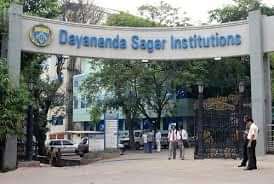
Dayananda Sagar College of Dental Sciences
About
OfficialDayananda Sagar College of Dental Sciences is a other institution in Bengaluru, established in 1991. Dayananda Sagar College of Dental Sciences (DSCDS) is a private dental college located in the Kumarswamy Layout area of South Bangalore, established in 2008 under the aegis of the Dayananda Sagar Educational Institutions (DSEI) group. The institution operates as a for-profit private college recognized by the Dental Council of India and the Karnataka State Government, serving as one of the lesser-known but operationally efficient dental education centers in Bangalore. The college was founded with the objective of providing quality dental education aligned with contemporary clinical practice standards, though it operates with relatively modest infrastructure compared to government dental colleges in Karnataka. DSCDS offers Bachelor of Dental Surgery (BDS) as its primary undergraduate program with an annual intake of approximately 60 seats through the NEET-based KVDT (Karnataka Dental Entrance Test) merit list. The college also runs a Master of Dental Surgery (MDS) program with specializations in Prosthodontics, Orthodontics, and Public Health Dentistry. The institution does not operate research centers of international standing but maintains departmental research activities across its clinical disciplines. The founding group, DSEI, also manages engineering colleges and schools, allowing for some interdisciplinary initiatives, though dental education remains compartmentalized. Academically, the BDS curriculum follows the DCI guidelines with emphasis on clinical rotations starting from second year onwards. The college maintains a teaching hospital attached to the campus with operational dental treatment chairs for undergraduate clinical training. Patient footfall in the hospital is moderate—the college draws patients from surrounding middle-class residential areas but does not function as a major tertiary referral center. Faculty strength stands at approximately 85 teaching and supporting staff, with most faculty members holding post-graduation qualifications from recognized Indian institutions. However, faculty research output and publications in indexed journals remain limited compared to established government dental colleges. The infrastructure includes a pre-clinical laboratory with phantom heads for skill development, a library with standard dental textbooks and journals, and basic digital facilities. The college operates from a rented campus spread across 5.2 acres, with constraints typical of private institutions in suburban Bangalore—limited land area restricts expansion of clinical departments and research facilities. Placement outcomes for BDS graduates are moderate. The college does not see aggressive recruitment from major multinational dental companies or research organizations. Most graduates pursue either private practice setup (approximately 40-45%), dental jobs in corporate chains like Apollo, Fortis, or Max (20-25%), or roles in smaller nursing homes and clinics (25-30%). Around 10-15% pursue higher education through MDS programs, with a mix of seeking seats in government colleges through NEET-MDS and opting for private college MDS at DSCDS itself. Salary expectations for BDS graduates are conservative—initial positions in corporate chains or established clinics offer 2.5-3.5 lakhs per annum, whereas private practice profitability varies widely based on location and personal business acumen. The student demographic at DSCDS is largely from middle-class backgrounds across Karnataka, with representation from Tamil Nadu and Andhra Pradesh due to interstate seats available under private quotas. Students typically join with strong science backgrounds (NEET scores 500-580) but do not represent the top quartile of dental aspirants who secure government college seats. The college admission process is entirely merit-based following KVDT rankings, with transparent seat allocation and no capitation practices formally acknowledged, though private colleges in India often have differential fee structures across categories. Student life at DSCDS is fairly regimented. The college maintains regular classes, clinical postings, and examinations aligned with university calendars (Rajiv Gandhi University of Health Sciences). Hostel facilities are limited—the college does not operate its own hostel but works with a few partner accommodations nearby for students requiring boarding, primarily for out-of-state applicants. Most students find PG accommodations in surrounding areas like Kumarswamy Layout, Marathahalli, or Whitefield within 500-1500 meter radius. Campus size restricts the scope for large annual fests or sports tournaments; the college conducts annual dental conferences (symposiums) with student presentations and modest cultural programs during college day. Club activities include a dental club, cultural club, and NSS unit involved in dental health camps in rural areas. Student satisfaction data from online portals indicates moderate ratings (6.5-7/10)—students appreciate clinical exposure and structured curriculum but cite concerns about outdated equipment, limited research opportunities, and fee structure relative to other private dental colleges in Bangalore. Safety on campus and in surrounding areas is generally good, with no major incident records; however, the college does not provide campus shuttle services, requiring students to arrange independent transport. The college's distinctive positioning is as an accessible, clinically-oriented dental education institution without the premium fees of larger private groups. It serves students unable to secure government college seats (due to NEET-AIR cutoffs typically 8000-15000 for dental) and unwilling or unable to pay 40-50 lakh fees at premium private colleges like MANIPAL or SAVEETHA. Notable alumni include private practitioners establishing clinics across Bangalore metro area, a few corporate dentists in chains, and small cohorts pursuing academics. The institution does not feature significantly in national dental education rankings but maintains steady operational standards and DCI recognition. Student intake quality and placement outcomes have remained consistent rather than showing dramatic growth. The college is best suited for students with clear interest in clinical dentistry (not research-oriented), from middle-class backgrounds, seeking affordable private dental education in a metro city with reasonable placement certainty. It requires academic discipline, as clinical exams are conducted by external university examiners with reasonable difficulty standards. The college does not offer extensive infrastructure for part-time study, online learning, or distance education modes.