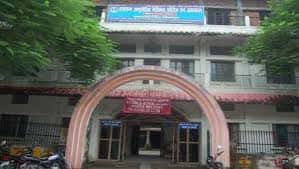
Dayanand Ayurvedic Medical College & Hospital
About
OfficialDayanand Ayurvedic Medical College & Hospital is a other institution in Siwan, established in 1971. Dayanand Ayurvedic Medical College & Hospital (DAMCH) is a private ayurvedic institution located in Siwan, Bihar, established in 2008 with the mission to preserve and promote traditional ayurvedic medicine while meeting modern medical education standards. Founded by the Dayanand Ayurvedic Trust, the college operates under the regulatory framework of the Central Council for Indian Medicine (CCIM) and is affiliated with the Bihar University of Health Sciences. The institution represents one of the few dedicated ayurvedic medical colleges in Bihar state and serves as a bridge between ancient ayurvedic wisdom and contemporary healthcare delivery systems. The college's academic philosophy emphasizes both theoretical depth in classical ayurvedic texts (Charaka Samhita, Sushruta Samhita, Ashtanga Hridaya) and practical clinical training in its attached 100-bed hospital facility. The campus infrastructure, while modest by urban standards, is thoughtfully designed to accommodate the specific pedagogical needs of ayurvedic education, including specialized herb gardens for pharmacognosy studies, traditional treatment centers (Panchakarma, Nasya, Abhyanga), and modern diagnostic laboratories operating in conjunction with traditional assessment methods. The college offers integrated Bachelor of Ayurvedic Medicine & Surgery (BAMS) programs spanning 5.5 years including internship, and postgraduate Master's programs in various specializations including Kayachikitsa (Internal Medicine), Shalya Tantra (Surgery), Dravya Guna (Pharmacology), and Rasa Shastra (Metallurgy & Alchemy). Research at DAMCH focuses on validating traditional ayurvedic treatments through modern scientific methodologies, with faculty publications in both ayurvedic and mainstream medical journals. The institution operates a functional teaching hospital that serves local rural populations, providing students with extensive clinical exposure while contributing to healthcare access in underserved regions. Placement outcomes for ayurvedic graduates have historically been strong in government positions (AIIMS integrative medicine departments, state Ayush departments), private ayurvedic hospitals and wellness centers, pharmaceutical companies specializing in ayurvedic formulations, and increasing opportunities in wellness tourism and corporate health programs. Notable alumni include practitioners now leading ayurvedic departments in major hospitals across Delhi, Mumbai, and Bangalore, researchers publishing in international journals on ayurvedic phytochemistry, and entrepreneurs establishing successful ayurvedic clinics and e-commerce platforms. The college maintains partnerships with traditional gurukula systems and modern research institutions, creating a unique educational environment. However, prospective students should note significant considerations: Siwan is a small town with limited urban amenities, making social life dependent largely on campus activities; the ayurvedic field, while growing, still offers fewer conventional career options compared to allopathic medicine; the rural setting, while authentic for learning traditional methods, involves limited access to modern research infrastructure; admission is primarily through NEET with relatively lower cutoffs compared to allopathic colleges, meaning peer competitiveness levels differ; and the institution's private status means substantially higher fees than government ayurvedic colleges. The college is ideal for students genuinely passionate about ayurvedic medicine and traditional systems, those seeking rural healthcare transformation, individuals interested in integrative medicine research, students from ayurvedic family backgrounds, and those willing to trade urban convenience for meaningful clinical training in a specialized field. The institution particularly appeals to students willing to embrace the philosophical foundations of ayurveda alongside medical science, seeking alternative career paths in India's rapidly growing wellness sector, and those comfortable in close-knit academic communities where faculty mentorship is intensive. Students should approach this college with clear understanding that ayurveda, despite growing interest, remains a specialized field with different career trajectories than mainstream medicine.