CREO Valley
About
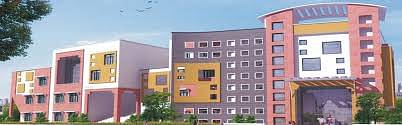
OfficialCREO Valley is a other institution in Bengaluru, established in 2013. CREO Valley is a private engineering and technology institution established in 2009 in Bengaluru, Karnataka, positioned in the Whitefield technology hub. The college was founded with the vision of creating an industry-aligned engineering ecosystem emphasizing hands-on learning, entrepreneurship, and innovation. It operates as an autonomous institution affiliated with Visvesvaraya Technological University (VTU) and has steadily grown into one of Karnataka's recognized engineering colleges with a focus on emerging technologies and startup culture. The institution offers undergraduate and postgraduate programs in Engineering, Management, and Design disciplines. Key academic strengths lie in Computer Science & Engineering (particularly AI/ML and cloud computing tracks), Electronics & Communication Engineering, Mechanical Engineering, and Information Technology. The college has established itself as a bridge between academia and industry, with curriculum continuously updated based on industry feedback and emerging technological trends. Campus infrastructure is notably modern for its age, featuring dedicated maker labs, design studios, and IoT research centers. The Whitefield location provides proximity to major tech companies including Google, Microsoft, Amazon, and numerous startups, creating ecosystem advantages for internships and placements. The 18.5-acre campus includes separate academic blocks for engineering and management programs, modern hostel facilities segregated by gender, and dedicated entrepreneurship incubation spaces. Academic culture emphasizes project-based learning over rote memorization. Students are expected to complete multiple industry-relevant projects per semester. The college mandates internship programs during summer breaks and final year, with tie-ups across 400+ organizations. Faculty includes industry practitioners alongside PhDs, creating a balanced teaching approach. Placement performance has been consistently strong with 92-96% placement rates across batches (2022-2024). Average salary packages range from 6.8-8.2 LPA for engineering graduates, with top performers securing 18-22 LPA. Primary recruiters include Infosys, TCS, Wipro, Cognizant, HCL, and emerging tech companies like Flipkart, Amazon, and numerous deep-tech startups. A notable trend is increasing demand from consulting firms (McKinsey, EY, Deloitte) recruiting for their tech practice. Campus life is vibrant but intense, reflecting the startup culture of Bengaluru. Student clubs span technical innovation (robotics, AI/ML clubs), entrepreneurship (multiple startup incubator clubs), cultural diversity (given Bengaluru's pan-Indian population), and sports. Annual events include TechFest (technology showcase), StartupWeekend (entrepreneurship hackathon), and NutriDays (cultural festival). However, the campus can feel academically pressured with constant emphasis on placements and portfolio building. Notable alumni include founders of AI/ML startups, mid-senior level engineers at Google and Amazon, and consultants at major management consulting firms. The alumni network, though smaller than tier-1 institutions like IITs, is increasingly active in mentoring and recruitment. Critical assessment: Strengths include modern infrastructure, industry proximity, strong placement outcomes, and entrepreneurial culture. Weaknesses include modest NAAC accreditation (B+ grade), limited research output compared to older established colleges, relatively newer alumni network, and occasional infrastructure maintenance issues. The college is best suited for students seeking solid engineering education with strong industry exposure and startup aspirations, rather than pure research or academic excellence. Academic rigor is moderate compared to IITs/NITs but demands consistent effort. Student quality varies significantly between programs, with CS being highly competitive while other branches admit students with wider score ranges.