College of Vocational Studies
About
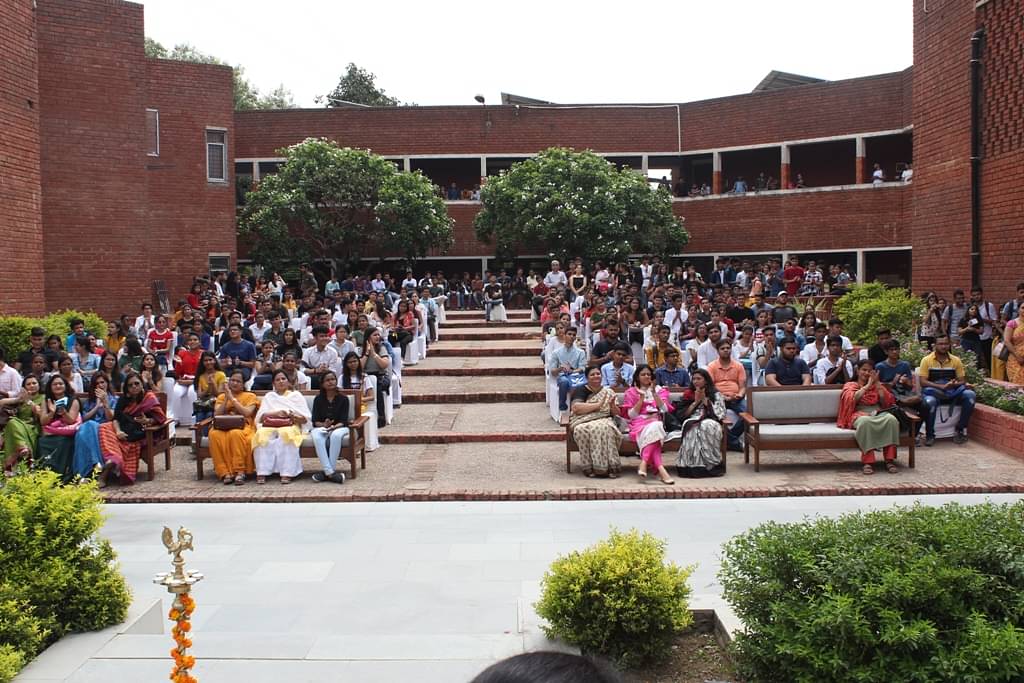
OfficialCollege of Vocational Studies is a other institution in Delhi, established in 1972. The College of Vocational Studies (CVS), established in 1995, is a unique constituent college of Delhi University dedicated exclusively to vocational and skill-based higher education. Located in the I.P. Extension area of East Delhi, CVS operates under the National Council of Vocational Training framework and aims to bridge the gap between academic knowledge and industry-required practical skills. The institution was created with a vision to provide affordable, quality vocational education to students from diverse socioeconomic backgrounds, making it one of India's pioneering institutions in this domain. CVS distinguishes itself fundamentally from conventional colleges through its curriculum design. Rather than purely theoretical instruction, the college emphasizes 50% theory and 50% practical training in labs, workshops, and industry sites. Programs span multiple vocational domains including hospitality management, retail management, healthcare, information technology, fashion design, and automotive technology. The college offers diploma, undergraduate, and postgraduate programs—some of which are integrated (combining theory with continuous on-the-job training). Academically, CVS is recognized by the All India Council for Technical Education (AICTE) and operates under Delhi University's oversight. The institution has developed strong partnerships with industry leaders for curriculum development, ensuring that syllabus remains relevant to market demands. Regular industry interactions and guest lectures from professionals in each vocational domain expose students to real-world challenges and contemporary practices. Faculty members are recruited with a balance of academic credentials and hands-on industry experience. The research focus at CVS leans toward applied research and industry problem-solving rather than fundamental research. The college houses vocational research centers focused on hospitality innovation, retail trend analysis, and healthcare service delivery. While research output measured by publications is lower compared to traditional colleges, the institution excels in developing case studies and practical solutions for industry partners. Campus life at CVS is distinctly practice-oriented. Unlike conventional colleges with large lecture halls, classrooms are smaller with maximum 30-40 students per batch to ensure hands-on training. The college operates multiple well-equipped labs: kitchen labs for hospitality programs, retail simulation centers, healthcare practice rooms, and IT labs with industry-standard software. Internships are mandatory and integrated, beginning from semester 2 onwards. Students typically spend 2-3 days per week in industry placements throughout their program. Placement outcomes at CVS are consistently strong—around 92-95% placement rate across batches. However, the placement profile differs from traditional engineering or management colleges. Students typically enter entry-to-mid-level positions in their vocational sectors: junior management roles in hospitality chains, executive trainee positions in retail corporations, paramedical technician roles, or junior developer positions. Median salary ranges from ₹3.5-4.5 lakhs per annum for undergraduates, with top performers securing ₹6-8 lakhs. The college's strength lies in consistent, reliable placement across all batches—nearly no passing-out batch has unemployment above 8%. Notable aspects of CVS include its affordability compared to private vocational institutions and Delhi University's reputation. Annual fees range from ₹35,000-80,000 depending on program, making it accessible to middle-class and lower-middle-class families. The college actively recruits meritorious students from government schools and reserved categories. However, it's important to note that CVS is not positioned for research careers or higher academic pursuits—it explicitly focuses on industry employment. Campus infrastructure is functional but utilitarian rather than luxurious. The campus lacks typical college amenities like sprawling lawns or grand auditoriums. Facilities are purpose-built for vocational training: specialized labs, industry-simulation centers, and training rooms take precedence. The library is modest but adequate. Hostel facilities (both boys and girls) exist but accommodate only about 20% of students—most day-scholars commute from Delhi. Student life is less about cultural clubs and more about industry clubs and professional societies. The college organizes industry-linked events, skill competitions, and vocational summits. Fests are smaller-scale and often focus on industry showcases rather than traditional cultural performances. Sports facilities are limited to a basketball court and gymnasium—there's no cricket ground or swimming pool. The college has produced notable alumni who've excelled in hospitality management, retail leadership, and healthcare administration. Names like Anil Kedia (now Group HR Manager at ITC Hotels), Priya Singh (Operations Manager at Benetton India), and Dr. Rajesh Kumar (Healthcare Administrator at Apollo Hospitals) represent successful CVS alumni trajectories. Who should apply: CVS is ideal for students who are practically inclined, prefer learning-by-doing over theoretical study, and want direct entry into industry employment. It suits students from economically weaker sections seeking affordable quality education, students interested in vocational sectors (hospitality, retail, healthcare, automotive, fashion), and those who may not have performed well enough for traditional engineering/management colleges but possess strong aptitude and interest in specific vocational domains. Who should NOT apply: Students aspiring for research careers, those planning to pursue higher studies like MBA or PhD immediately after graduation, competitive exam aspirants (UPSC, SSC), and students from very privileged backgrounds seeking prestige college names should look elsewhere. CVS is also not ideal for someone undecided about their career—the programs are narrow and specialized by design. Unique value proposition: CVS offers a rare combination in Indian higher education—Delhi University affiliation (credibility), AICTE recognition, mandatory industry internships, affordable fees, and consistent placement into stable entry-level positions. For a student valuing job-readiness over academic prestige, CVS delivers exceptional value.