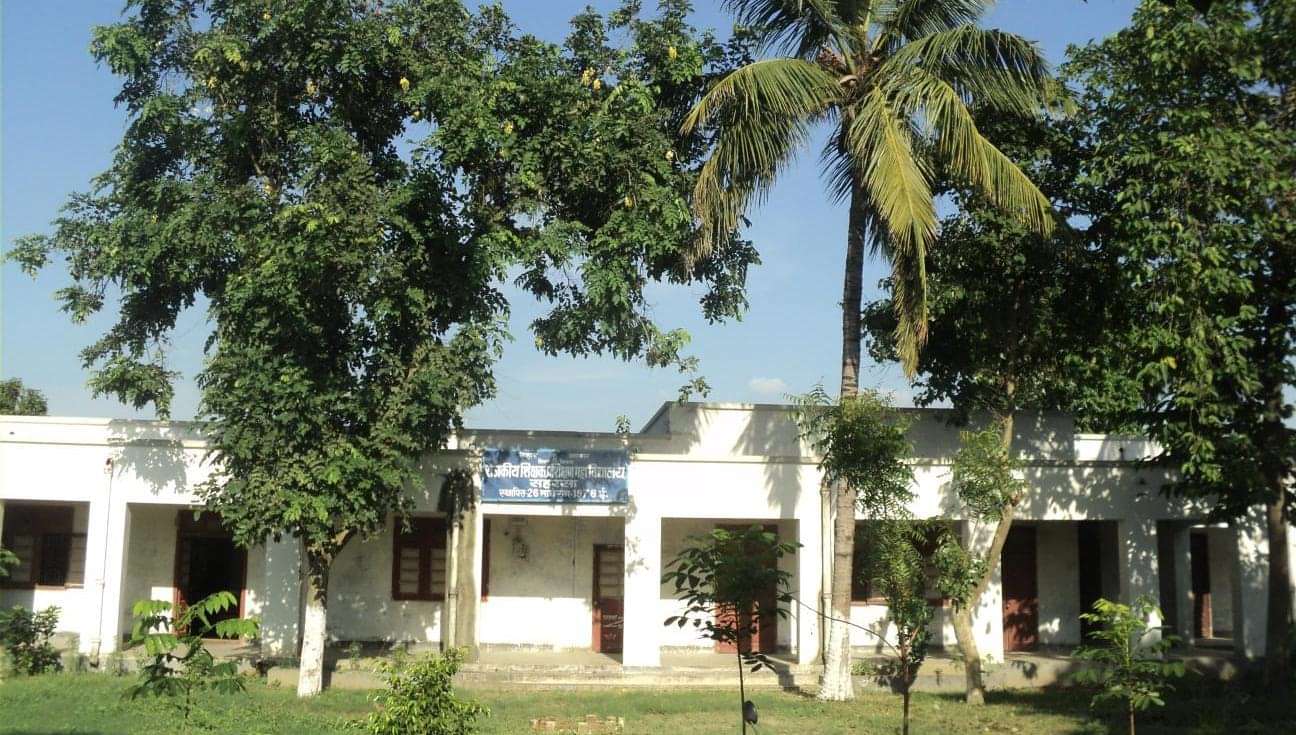
College of Teacher Education, Saharsa
About
OfficialCollege of Teacher Education, Saharsa is a other institution in Saharsa, established in 1976. College of Teacher Education, Saharsa (COTE) is a state-funded teacher training institution established in 2009 under the aegis of the Bihar government. Located in the Mithila region of northeastern Bihar, the college serves as a critical hub for developing quality educators in a region with significant educational infrastructure gaps. The institution is recognized by the National Council for Teacher Education (NCTE) and operates under the regulatory framework of the Bihar Education Department. Saharsa, historically known for its cultural and agricultural significance, offers a unique environment for teacher trainees to understand diverse learning needs and socio-educational challenges faced by rural India. The college was founded with the explicit mission to produce compassionate, competent teachers equipped to serve in underserved educational landscapes. Over the past 14 years, COTE has graduated more than 2,000 teacher trainees who now work across government and private schools in Bihar, Uttar Pradesh, and Jharkhand. The institution's founding principle centers on preparing educators who understand both pedagogical excellence and the real-world constraints of rural schooling. The college occupies a modest 4.5-acre campus with basic but functional academic infrastructure. Academic programs focus exclusively on teacher education at the undergraduate and postgraduate levels. The B.Ed (Bachelor of Education) program remains the flagship offering, with specialized tracks in Science, Mathematics, Social Studies, and Language education. The college recently introduced a D.El.Ed (Diploma in Elementary Education) program to address demand for primary-level teacher training. Postgraduate offerings include M.Ed programs with specializations in Educational Administration, Curriculum Design, and Special Education. Research at COTE remains limited, focused primarily on pedagogical innovations and local educational challenges rather than high-impact publications. Faculty members occasionally conduct action research on teaching effectiveness, curriculum localization, and inclusive education practices relevant to Bihar's educational context. The college has informal partnerships with nearby government schools for practice teaching and community engagement projects. Infrastructure presents significant limitations. The library holds approximately 8,000 volumes with minimal digital resources due to budget constraints. Computer labs exist but are dated, with outdated machines affecting the quality of technology-integrated education training. Internet connectivity is inconsistent across campus, creating challenges for digital learning initiatives. The health center is basic, with a resident nurse and visiting doctor available 3 days per week. The college operates a modest cafeteria serving vegetarian meals, though many students commute from nearby towns. Student placements in COTE refer primarily to recruitment by schools (government and private) rather than corporate sector employment. Approximately 78% of graduating B.Ed students secure teaching positions within 6 months, primarily in government schools following state recruitment examinations (Bihar TET, CTET). Median salary for government school positions is 330,000 INR annually (starting grade), while private school placements range from 180,000 to 280,000 INR depending on institution tier. The college lacks a formal placement cell; placements occur primarily through government recruitment drives and direct school hiring. Notable alumni include Dr. Rajesh Kumar Singh (Class 2011), who completed his Ph.D. in Education from Delhi University and now leads curriculum reform initiatives in the Bihar Education Department; Priya Devi (Class 2013), currently Principal of a government high school in Madhubani district; and Ashok Prasad (Class 2010), who transitioned to educational NGO leadership, founding a literacy program serving 15,000 students across rural Mithila. The college distinguishes itself through its deep community integration and focus on preparing teachers for resource-constrained environments—a valuable differentiator for candidates committed to rural education. The institution has documented success in training teachers who later implement innovative, low-cost pedagogical interventions in their schools. What makes COTE unique is its understanding that teacher education in India requires contextual adaptation; many graduates explicitly choose government service to serve underserved communities. The college's alumni network shows strong retention in Bihar, suggesting cultural and institutional fit for candidates from the region. Who should apply: Candidates from Bihar and neighboring states passionate about teaching in government or private schools; those seeking affordable teacher education (annual fees ~18,000 INR); individuals committed to rural education development; students from middle-income backgrounds prioritizing stable government employment over corporate salaries; candidates seeking strong community connections and localized pedagogical training. Candidates should NOT apply if they expect: world-class research facilities, English-medium instruction at all levels, high-tier private school placements, cosmopolitan campus life, or cutting-edge digital learning infrastructure. The college is honest about its resource limitations and is most valuable for candidates whose career goals align with government teaching positions and whose values emphasize service over prestige.