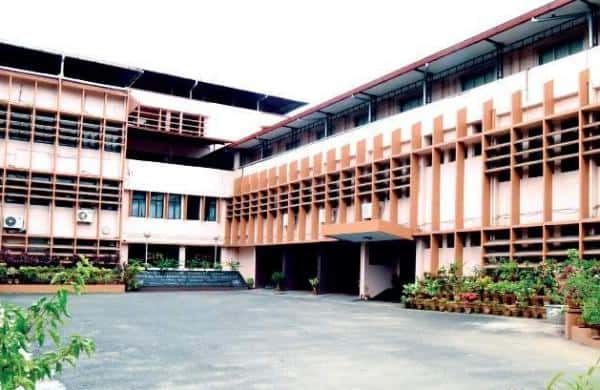
College of Fisheries, Veraval
About
OfficialCollege of Fisheries, Veraval is a other institution in Veraval, established in 1991. The College of Fisheries, Veraval is a premier institution established in 1988 under the aegis of Gujarat Agricultural University (GAU), located in the coastal town of Veraval in Junagadh District, Gujarat. Situated approximately 390 km from Ahmedabad and 45 km from Junagadh city, the college specializes exclusively in fisheries education and research, making it one of India's dedicated fisheries colleges with a strong focus on marine and freshwater resource management. The college was established with the vision of developing skilled professionals capable of addressing challenges in India's fisheries sector, which contributes significantly to food security, employment, and foreign exchange earnings. Veraval itself is a historic fishing port with a thriving fish market, making the college's location strategically valuable for practical training and industry exposure. The college operates under the State Agricultural University system, ensuring curriculum alignment with national standards and government employment opportunities. Academic programs offered include a 4-year Bachelor of Science (B.Sc.) in Fisheries Science, 2-year Master of Science (M.Sc.) programs in Aquaculture and Fisheries Extension, and PhD programs in specialized fisheries disciplines. The undergraduate curriculum emphasizes both theoretical knowledge and practical skills in fish breeding, aquaculture techniques, fisheries management, marine biology, fish processing, and fisheries economics. Students engage extensively with the college's own hatcheries, fish ponds, and aquaculture units from their first year itself. The college maintains strong industry linkages with fishing cooperatives, seafood export companies, and government fisheries departments, facilitating internships and project work in real-world settings. Research strengths center on sustainable aquaculture practices, marine resource conservation, fish disease management, and value-added fish product development. The college operates multiple research centers including an Aquaculture Research Station and a Fish Disease Diagnostic Lab. Faculty members actively collaborate with ICAR institutes, state fisheries departments, and international organizations on projects addressing coastal sustainability and livelihood enhancement. The college has published numerous research papers in national and international journals focusing on sustainable fishing practices and aquaculture innovation. Campus infrastructure includes modern fish hatcheries with multiple pond systems covering approximately 8 acres, a brackish water aquaculture unit specifically designed for shrimp farming research, a cold storage facility for fish preservation research, laboratory facilities for fish disease diagnosis and nutrition studies, a computer center with internet connectivity, a library with specialized fisheries literature and online journals, and hostel facilities for both male and female students. The campus, though modest in size, is designed efficiently for practical learning with direct access to experimental aquaculture units. Placement outcomes for fisheries graduates remain strong with sector-specific opportunities. Approximately 70-75% of graduates secure placements or pursue higher education. Placement sectors include central government agencies (Ministry of Fisheries, Department of Animal Husbandry), state fisheries departments, ICAR research institutes, aquaculture companies, seafood export firms, feed manufacturing companies, and NGOs working on coastal conservation. Median salary for graduates typically ranges from 3.5-4.5 lakhs per annum in government roles and 3-4 lakhs in private sector aquaculture companies. Some graduates establish their own hatcheries or aquaculture units with support from government schemes and bank financing. Notable alumni include Dr. Rajesh Patel (batch 1992), now Director of a major state fisheries research institute; Ms. Priya Sharma (batch 1998), who established a successful shrimp farming cooperative employing over 200 people; and Dr. Vikram Singh (batch 2000), currently working with ICAR-CIBA on climate-resilient aquaculture. The college has produced many successful entrepreneurs in fish farming, fish processing, and seafood export sectors. The college uniquely emphasizes experiential learning through hands-on training in functional aquaculture systems rather than theoretical classroom instruction alone. Every student operates and maintains fish production units, gaining direct experience in hatchery management, breeding protocols, disease identification, and harvest techniques. The geographic location in Veraval provides unparalleled access to marine fisheries practices, fishing technology, and fish market dynamics, differentiating it substantially from landlocked agricultural colleges. Campus culture reflects the practical, collaborative nature of fisheries education. Students work in groups managing aquaculture units, fostering teamwork and problem-solving skills essential for the sector. The relatively small student population creates a tight-knit community where senior and junior students regularly interact through collaborative projects. Faculty maintain open-door policies and are highly accessible for academic guidance and research mentoring. Who should apply: Students with genuine interest in aquaculture, marine conservation, or fisheries management; those seeking government jobs in fisheries departments; aspiring fish farmers and aquaculture entrepreneurs; students interested in food security and sustainable resource management; those from coastal farming backgrounds who understand agricultural cycles and willing to work in rural settings. The college is NOT suitable for students seeking urban amenities, campus culture similar to large metropolitan universities, or those unwilling to engage in hands-on physical farm work. The course involves considerable time in outdoor aquaculture units, field visits, and practical experimentation, demanding active participation beyond classroom study. Veraval, while historically significant, offers limited urban entertainment compared to larger cities, requiring students comfortable with a quieter, work-focused campus lifestyle.