COLLEGE OF ENGINEERING POONJAR
About
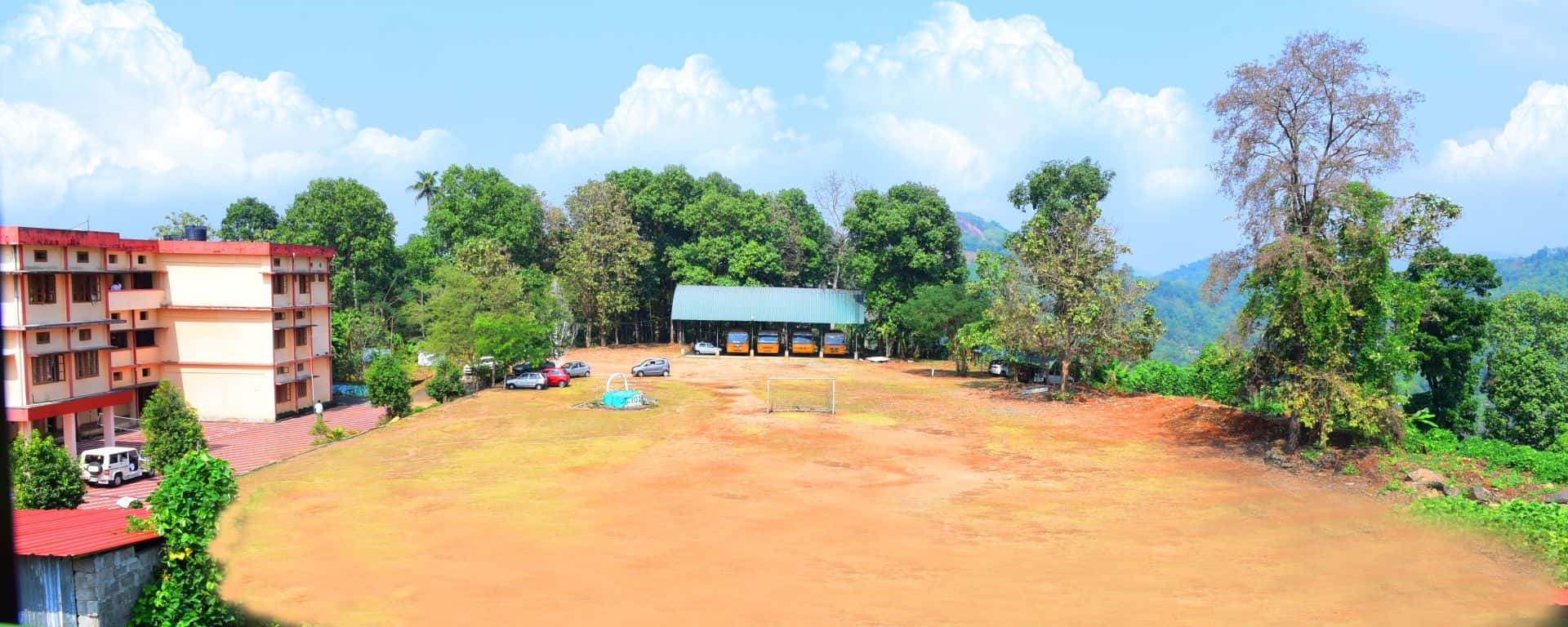
OfficialCOLLEGE OF ENGINEERING POONJAR is a other institution in Kottayam, established in 2000. College of Engineering Poonjar (CEP), established in 1999, is a self-financing engineering institution located in the scenic Poonjar region of Kottayam district, Kerala. Situated in a rural setting approximately 40 km from Kottayam city, the college serves as a gateway for students seeking quality engineering education in God's Own Country. The institution offers undergraduate and postgraduate programs across multiple engineering disciplines with a focus on practical skill development and industry-aligned curriculum. The college operates under the technical education wing of Kerala and is affiliated with the APJ Abdul Kalam Technological University (AKTU), formerly known as Kerala Technological University. CEP has evolved from a modest beginning to become a respected engineering college in central Kerala, serving students primarily from Kerala and neighboring states. The college's founding philosophy centered on providing accessible, quality engineering education to meritorious students while maintaining affordability compared to major metropolitan engineering institutions. Over two decades of operation, CEP has developed a reasonable academic reputation within Kerala's engineering education landscape, though it remains relatively unknown outside the state. The rural campus location offers a quieter, distraction-free academic environment but comes with limited urban infrastructure and entertainment options. Academic programs span Civil, Mechanical, Electrical, Electronics & Communication, Computer Science and Engineering, and Information Technology at the undergraduate level, with select postgraduate programs in Civil Engineering and Computer Science. The curriculum follows AKTU guidelines with periodic updates to incorporate emerging technologies. Faculty strength stands at approximately 65 members, with around 45% holding postgraduate degrees and a smaller percentage with doctoral qualifications. Research activities remain modest, with most faculty engaged in teaching-focused roles rather than active research projects. The college library houses approximately 15,000+ books with growing digital resources. Computer labs are equipped with modern systems supporting programming and design software. The campus has recently invested in Wi-Fi infrastructure covering most academic areas, though connectivity in hostels remains inconsistent. Placement outcomes have improved gradually over the past 5-7 years, with 2023-24 data showing approximately 68% placement rates for engineering students, primarily in IT and IT-enabled services companies. Core engineering placements remain relatively limited. Manufacturing, power, and infrastructure sectors show modest hiring. Median package hovers around 4.2 lakhs annually, with top performers securing 7.5-8.5 lakh packages. Notable recruiters include Infosys, TCS, Cognizant, HCL, and various mid-tier IT companies. The college does not attract campus visits from tier-1 consulting firms (McKinsey, BCG, Bain) or premium financial institutions. Student life revolves around academics with moderate engagement in extracurriculars. Cultural fests occur twice yearly (Autumn and Spring), attracting modest participation. Sports infrastructure exists but remains basic. The hostel system accommodates approximately 40% of the student population with three hostels for men and one for women. Hostel quality is basic to moderate—rooms are functional but not luxurious, with shared bathroom facilities being standard. Mess food quality is average with limited variety; many students cook in hostel rooms or eat out. The surrounding Poonjar area offers limited entertainment and food options compared to major cities. Nearest significant commercial hub (Kottayam town) is 40 km away, accessible by bus or shared auto. The college location appeals to students seeking a focused academic environment away from urban distractions but proves challenging for those seeking vibrant city life. Safety record is excellent with minimal incident history. Women students generally report feeling safe on campus and in hostels. The rural setting paradoxically ensures lower crime rates and tight-knit community presence. Notable alumni include mid-level IT professionals, some civil engineers in state PWD departments, and a few entrepreneurs in technology startups. The college has not yet produced nationally recognized leaders or highly prominent industrialists, which is typical for tier-2 regional engineering institutions. The institution is best suited for: (1) Kerala domicile students seeking affordable quality engineering education, (2) students prioritizing a focused, distraction-free academic environment, (3) those comfortable with rural campus settings, (4) candidates with modest budget constraints (fees significantly lower than private metros like BITS or VIT), (5) students aiming for IT sector placements via on-campus recruiting, (6) candidates from backward districts with limited access to metropolitan engineering colleges. The college is less ideal for: (1) students seeking world-class research opportunities, (2) those prioritizing vibrant campus social life and entertainment, (3) candidates aspiring to elite consulting/finance sector roles, (4) students requiring cutting-edge infrastructure and facilities, (5) those uncomfortable with rural settings or limited urban amenities. The overall institutional ecosystem reflects a stable, modest-performing regional engineering college focused on producing employable IT graduates rather than research leaders or industry pioneers.