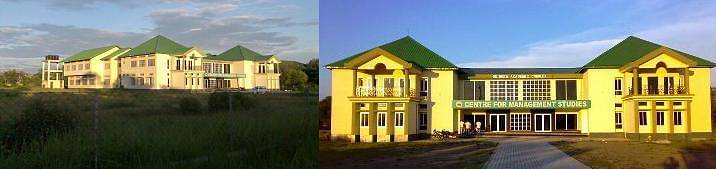
Center For Management Studies, Dibrugarh University
About
OfficialCenter For Management Studies, Dibrugarh University is a other institution in Dibrugarh, established in 2002. The Center for Management Studies (CMS) at Dibrugarh University was established in 1989 as one of the earliest management education centers in Northeast India. Located in Assam's oil and tea belt, CMS has evolved into a respected institution offering postgraduate and doctoral programs in management. The center is housed within the sprawling Dibrugarh University campus, which was founded in 1965 and serves as a major educational hub for the region. CMS operates with a distinct Northeast India focus, integrating local business practices with global management frameworks. The institution is recognized by the All India Council for Technical Education (AICTE) and is accredited by NAAC, though historically with B-grade recognition. The center's strength lies in its understanding of regional industries, particularly oil & gas (IOCL, ONGC presence), tea gardens, and agricultural businesses. CMS currently enrolls approximately 850 students across multiple postgraduate and doctoral programs, with a teaching faculty of 45 academics, many holding doctorates from premier institutions. The faculty emphasizes case-study learning, industry interactions, and research-based curriculum development. Key academic programs include MBA (2-year, full-time), MBA (Executive/Part-time), Ph.D. in Management, and specialized postgraduate diplomas. The center maintains partnerships with local industries and government bodies, facilitating student projects and internships. Placement outcomes have shown steady improvement, with median salaries in the 6-8 lakh INR range for MBA graduates, though placement rates vary by batch (ranging from 65-80% depending on economic conditions). The research focus areas include organizational behavior, rural management, supply chain in traditional industries, and sustainability management. CMS is particularly noted for its faculty working on tea industry management and oil & gas sector studies, making it a unique resource for students interested in commodity-based businesses. The campus infrastructure is developing, with modern classrooms, a library with 2000+ management titles, computer labs, and a placement cell. Student life at CMS benefits from the broader university ecosystem, including sports facilities, cultural events, and student organizations. However, the center operates in a semi-urban location with limited direct access to major corporate headquarters, meaning placements often require candidates to relocate to metro cities. The institution is ideal for students seeking management education with a regional development focus, those interested in family businesses or traditional industries, and candidates from Northeast India seeking quality education without relocating far from home. Admission is merit-based, typically requiring a bachelor's degree and entrance exam scores (CAT/GMAT for MBA, or merit-based for other programs). The cost of education is significantly lower than private management institutions, making CMS attractive for budget-conscious candidates. Student sentiment indicates satisfaction with faculty accessibility, curriculum relevance, and campus environment, though some report limited campus recruitment compared to metro-based B-schools and concerns about entrepreneurship support infrastructure.