CHTS Institute of Hotel Management Catering and Tourism
About
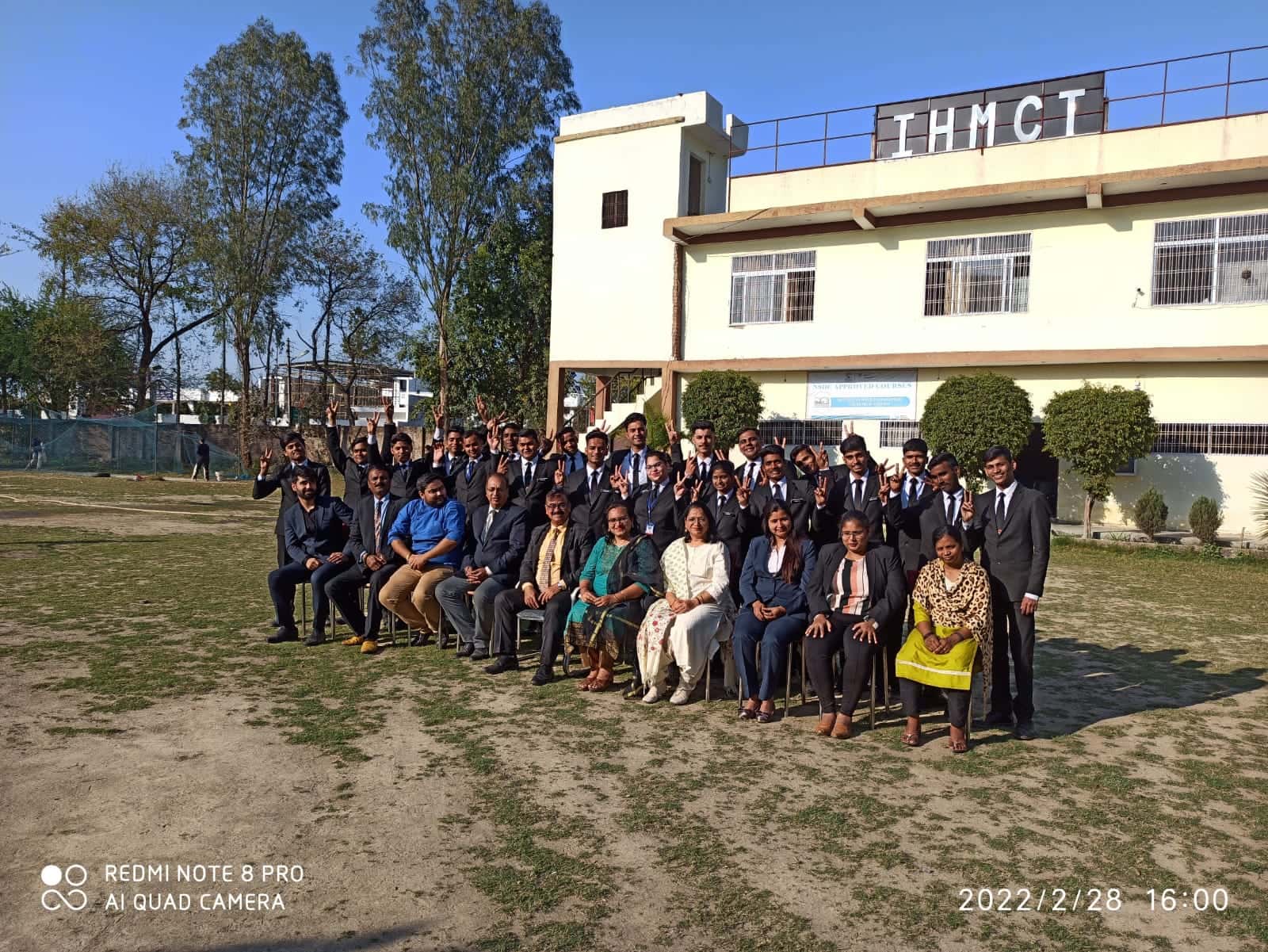
OfficialCHTS Institute of Hotel Management Catering and Tourism is a other institution in Lucknow. CHTS Institute of Hotel Management, Catering and Tourism in Lucknow is a specialized hospitality education institution established in 2008 with a mission to develop skilled professionals for the hotel, restaurant, and tourism sectors in India. The institute is located in the historic city of Lucknow, the capital of Uttar Pradesh, which provides rich cultural context for hospitality studies and practical learning opportunities. CHTS operates as a self-financed private institution affiliated with various hospitality bodies and has gradually built recognition in the hospitality and culinary education space. The institute focuses on practical, industry-oriented training rather than purely theoretical academics, which distinguishes it from general universities. Its founding philosophy revolves around creating a bridge between academic learning and real-world hospitality operations through hands-on training kitchens, simulated restaurant labs, and guest house operations. The institute offers undergraduate and postgraduate programs in Hotel Management, Food Production, Food & Beverage Service, Front Office Management, and Tourism Management. Academic programs are designed with input from hospitality industry professionals, ensuring curriculum remains relevant to evolving industry demands. The institute maintains partnerships with various hotel chains, restaurants, and tourism boards, though these partnerships are primarily for internship placements rather than research collaborations typical of larger institutions. CHTS emphasizes culinary arts training with dedicated training kitchens equipped with modern cooking equipment, allowing students to learn both Indian and international cuisines under professional guidance. The Food Production program includes comprehensive training in menu planning, food costing, kitchen management, and food safety standards. Faculty members are primarily practitioners from the hospitality industry with limited academic research output—most hold hotel management certifications and operational experience rather than doctorates. The institute conducts seminars and workshops with guest lecturers from recognized hotel brands and culinary experts, which adds practical value to classroom learning. Campus life at CHTS is centered around hospitality education rather than a broader university experience. The institute operates a training restaurant where students practice service skills with real customers, providing authentic learning environments. Student clubs focus on culinary competitions, hospitality case studies, and tourism planning. Annual events include culinary competitions, hotel management case competitions, and tourism mock conferences. The campus is relatively compact and located in urban Lucknow, limiting sports facilities and traditional college festival culture. Hostel facilities are available but modest, primarily serving students from out-of-station origins. Many local students commute daily, which affects campus community building. Placements are highly specialized to the hospitality sector. Top recruiters include hotel chains like Taj Hotels, ITC Hotels, Hyatt, Marriott, Oberoi Group, and restaurant chains like Barbeque Nation and Indian fine-dining establishments. Placement percentages typically range from 70-80% within the hospitality sector, with remaining graduates pursuing entrepreneurship in small restaurants or family hospitality businesses. Salary packages in hospitality management are modest compared to engineering or management consulting—entry-level positions range from 2.4-3.5 LPA depending on hotel category and location, though management trainees at premium hotel chains may earn 3.8-4.5 LPA. Notable alumni have established successful careers as hotel managers, executive chefs, restaurant entrepreneurs, and tourism business owners, though the institute lacks alumni of national prominence like IITs or IIMs produce. The institute is unique for its specialization exclusively in hospitality rather than attempting general education. It attracts students genuinely passionate about hotel operations, culinary arts, or tourism management rather than those selecting it as a fallback option. Who should apply: Students with genuine interest in hospitality careers, culinary passion, and comfort with service-oriented roles. Students seeking exposure to industry operations and practical skills development. Those willing to relocate or commute to Lucknow for specialized training. Not suitable for: Students seeking research-focused education, those with aspirations in non-hospitality sectors, students preferring broad academic exposure over specialization. Concerns for prospective students include: limited research infrastructure and academic depth, modest placement packages compared to professional management programs, modest campus infrastructure and social life compared to larger universities, reliance on industry practitioners as faculty which may lack formal academic credentials, uncertain long-term industry stability in hospitality post-pandemic, limited alumni network compared to established institutions, geographical location in Tier-2 city limiting access to major hotel headquarters.