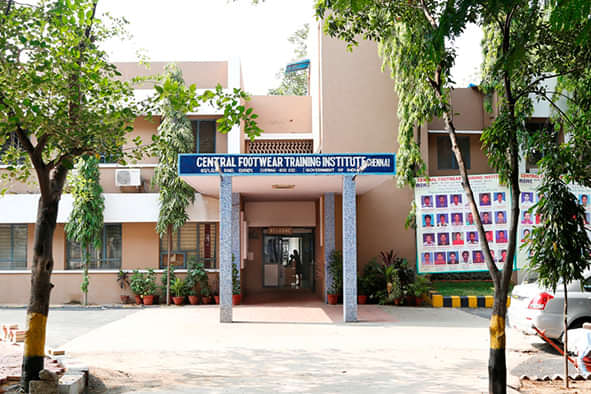
Central Footwear Training Institute, Chennai
About
OfficialCentral Footwear Training Institute, Chennai is a other institution in Chennai, established in 1957. The Central Footwear Training Institute (CFTI), Chennai, established in 1986 under the Ministry of Labour & Employment, Government of India, is the premier government institution dedicated to footwear design, manufacturing, and technology in India. Located in the suburban Taramani area of Chennai, CFTI operates as a specialized training and educational hub for footwear industry professionals, serving a critical gap in India's leather and footwear sector—one of the nation's largest export industries generating billions annually. CFTI's founding emerged from India's recognition that the footwear industry required skilled technologists, designers, and production managers to compete globally. Tamil Nadu, already a footwear manufacturing powerhouse with clusters in Chennai, Ranipet, and Ambur, made CFTI's location strategic. The institute started with diploma programs and has evolved to offer advanced degree-level qualifications including B.Tech, M.Tech, and specialized postgraduate diplomas, positioning itself as the only centralized government institution for footwear education in Asia. Academically, CFTI delivers a curriculum uniquely blended between engineering fundamentals and industry-specific applications. Students learn footwear design using CAD software, material science (leather, textiles, polymers), shoe manufacturing processes (lasting, stitching, finishing), biomechanics, and supply chain management. The institute maintains strong ties with international footwear organizations, including partnerships with European footwear institutes for curriculum alignment and faculty exchange. Research strengths include sustainable tanning processes, eco-friendly shoe design, ergonomic footwear development, and recycling of footwear waste—increasingly critical as global environmental standards tighten. The campus, spread across 8.5 acres in Taramani, houses dedicated footwear production units functioning as training-cum-production facilities. Students gain hands-on experience in real manufacturing environments, operating imported Italian and German machinery under faculty supervision. The institute maintains a prototype laboratory, 3D design studio, material testing lab, and a small commercial production unit that generates revenue while serving as a learning platform. This integration of theory, design, and manufacturing execution differentiates CFTI from generic engineering colleges. Placement outcomes reflect CFTI's niche positioning. Graduates secure roles across footwear brands (Nike, Adidas, Puma), Indian manufacturers (Liberty, Bata, Relaxo), design studios, export houses, and government footwear corporations. However, placement numbers are modest (approximately 70-80% historically) because the talent pool is small and specialized. Most graduates work within Tamil Nadu or migrate to manufacturing clusters in other states. Starting salaries range from 3.5-5 lakh annually for B.Tech graduates, with experienced alumni in senior roles earning 15-20 lakh. The sector offers pathways into entrepreneurship—several alumni have launched their own footwear startups or export consulting firms. Notable alumni include Rajesh Kumar (founder, RK Footwear Exports), who scaled his venture to 50 crores annually; Dr. Anita Sharma, who leads sustainable footwear initiatives at a major international brand; and multiple professionals heading production and quality departments at large Indian footwear manufacturers. The institute proudly notes several alumni who have transitioned into leather goods, handbags, and accessories, leveraging core footwear technology knowledge. What makes CFTI unique is its absolute specialization in an overlooked but economically vital sector. Unlike IITs or NITs offering generic mechanical or chemical engineering, CFTI trains industry-ready professionals for a $14 billion export industry with chronic talent shortages. The curriculum, faculty, infrastructure, and industry connections are all laser-focused on footwear and allied leather sectors. This specialization is simultaneously the institute's strength and limitation—students benefit from concentrated expertise but face a narrower job market and industry cyclicality risks. Campus life at CFTI is quieter than mainstream engineering colleges. The student body is smaller (450 total), fostering close faculty-student interactions. Technical clubs focus on footwear design competitions, material innovation, and industry case studies. Annual events include design showcases, manufacturing expos, and industry interaction seminars. Sports facilities are basic; most students participate in neighborhood or inter-college tournaments. The cultural atmosphere is work-oriented rather than party-centric—students here are typically career-focused on a specific sector rather than exploring multiple options. Who should apply? Students passionate about footwear, fashion technology, or leather goods; those interested in manufacturing and supply chain; individuals seeking government education in a niche sector with guaranteed industry relevance; professionals from textile or leather backgrounds considering specialization; aspiring entrepreneurs in footwear manufacturing. Not recommended for students seeking generic engineering degrees, those averse to manufacturing-floor work, or those wanting a cosmopolitan college experience. CFTI is for the purposeful student committed to footwear sector excellence.