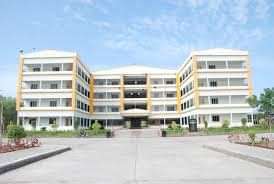
Buchepalli Venkayamma Subbareddy Engineering College
About
OfficialBuchepalli Venkayamma Subbareddy Engineering College is a other institution in Prakasam, established in 2008. Buchepalli Venkayamma Subbareddy Engineering College (BVSEC) is a private engineering institution located in Buchepalli village, Prakasam district, Andhra Pradesh, approximately 25 km from the district headquarters of Ongole. The college was established in 2008 with the mission to provide quality technical education accessible to students from middle and lower-middle-class families in rural and semi-urban areas of Andhra Pradesh. Named after the philanthropist Venkayamma Subbareddy, the institution reflects her vision of democratizing technical education in underserved regions. The college is affiliated with Jawaharlal Nehru Technological University, Hyderabad (JNTU-H) and is approved by the All India Council for Technical Education (AICTE). While not a premier institution like IITs or NITs, BVSEC has steadily built a reputation as a regional engineering college providing practical, industry-oriented education. Academic Programs: BVSEC offers undergraduate engineering degrees across 8 disciplines: Civil Engineering, Mechanical Engineering, Electrical and Electronics Engineering, Electronics and Communication Engineering, Computer Science and Engineering, Information Technology, Chemical Engineering, and Biotechnology. Each undergraduate program is a 4-year full-time degree offering 60-120 seats depending on the branch. The college also offers postgraduate programs in select disciplines including M.Tech in Structural Engineering, Thermal Engineering, and Power Systems. Diploma programs in Engineering are available for students without formal 12th-grade qualifications, providing a pathway into engineering. Academic Strengths: The institution emphasizes a balance between theoretical knowledge and practical application. The engineering curriculum includes mandatory internships, industry visits, and capstone projects. The college has established partnerships with companies like Larsen & Toubro, Hindustan Construction Company, and various manufacturing firms for live projects and apprenticeships. The faculty comprises graduates from reputed institutions, though only about 35-40% hold PhDs. The college has invested in laboratories for core engineering disciplines, with functioning workshops for Civil, Mechanical, and Electrical departments. However, research output remains modest, with limited publications in high-impact journals and few patent applications filed annually. Placement Performance: BVSEC's placement record has improved significantly over the past 5 years. In 2023-24, approximately 72-78% of graduating students secured placements within 6 months of completing their degrees. Average salary packages range from 3.5-4.2 LPA, with top performers earning 6-7.5 LPA. The highest salary recorded in 2023-24 was approximately 9.2 LPA for a CSE student placed at a Bangalore-based fintech startup. Top recruiters include Cognizant, Infosys, Wipro, TCS, HCL Technologies, Reliance Industries, and various infrastructure and manufacturing companies. CSE and IT graduates have significantly better placement outcomes (85-90% placement) compared to Civil and Chemical Engineering students (55-65% placement). The college maintains a dedicated placement cell with personnel dedicated to training students in aptitude, soft skills, and technical interviews. Campus Infrastructure: The 35-acre campus in a rural setting provides a dedicated academic environment with minimal urban distractions. The campus includes a central library with approximately 28,000 books and subscriptions to 15-20 engineering journals, though digital library resources remain limited. Laboratories are functional but not state-of-the-art, particularly in emerging areas like IoT, AI/ML, and blockchain. The college has recently upgraded computer labs with modern configurations. A centralized auditorium with 500-seat capacity hosts seminars and annual events. The sports complex includes cricket ground, volleyball and badminton courts, and a basic gymnasium. However, the college lacks a swimming pool and advanced research centers common in tier-1 institutions. Student Life and Campus Culture: With approximately 1,850 students, BVSEC maintains a close-knit community. The college actively encourages student clubs and societies across technical, cultural, and sports domains. The annual technical fest "Technostudy" attracts participation from neighboring colleges. Regular cultural events and sports competitions foster community engagement. Hostel life is integral to the student experience, with separate facilities for boys and girls. However, students often note that the rural location limits off-campus entertainment options, requiring travel to nearby towns for leisure activities. Demographic Profile: BVSEC primarily caters to students from rural, semi-urban, and economically disadvantaged backgrounds in Andhra Pradesh, Telangana, and neighboring states. The college's relatively affordable fee structure (compared to private engineering colleges in metros) and accessible location make it an attractive option for aspirants scoring 40-55 percentile in JEE Main. Who Should Apply: BVSEC is ideal for students seeking an affordable engineering education in a focused, distraction-free environment with reasonable placement outcomes. It suits candidates willing to relocate to a rural setting in exchange for cost-effective quality education. The college is suitable for students aiming for tier-2/3 IT companies or core engineering roles in infrastructure and manufacturing sectors. It is less suitable for students targeting IIT-level faculty, advanced research opportunities, or placement at elite MNCs or startups, or those prioritizing urban campus life. Strengths: Affordable fees, improving placement outcomes, dedicated faculty in core disciplines, focused academic environment, emphasis on practical skills, strong cultural and sports engagement. Limitations: Rural location with limited amenities, modest research output, limited faculty with PhDs, outdated infrastructure in some departments, weaker placements for non-CSE branches, limited higher studies support, smaller alumni network compared to established institutions.