Budge Budge Institute of Technology
About
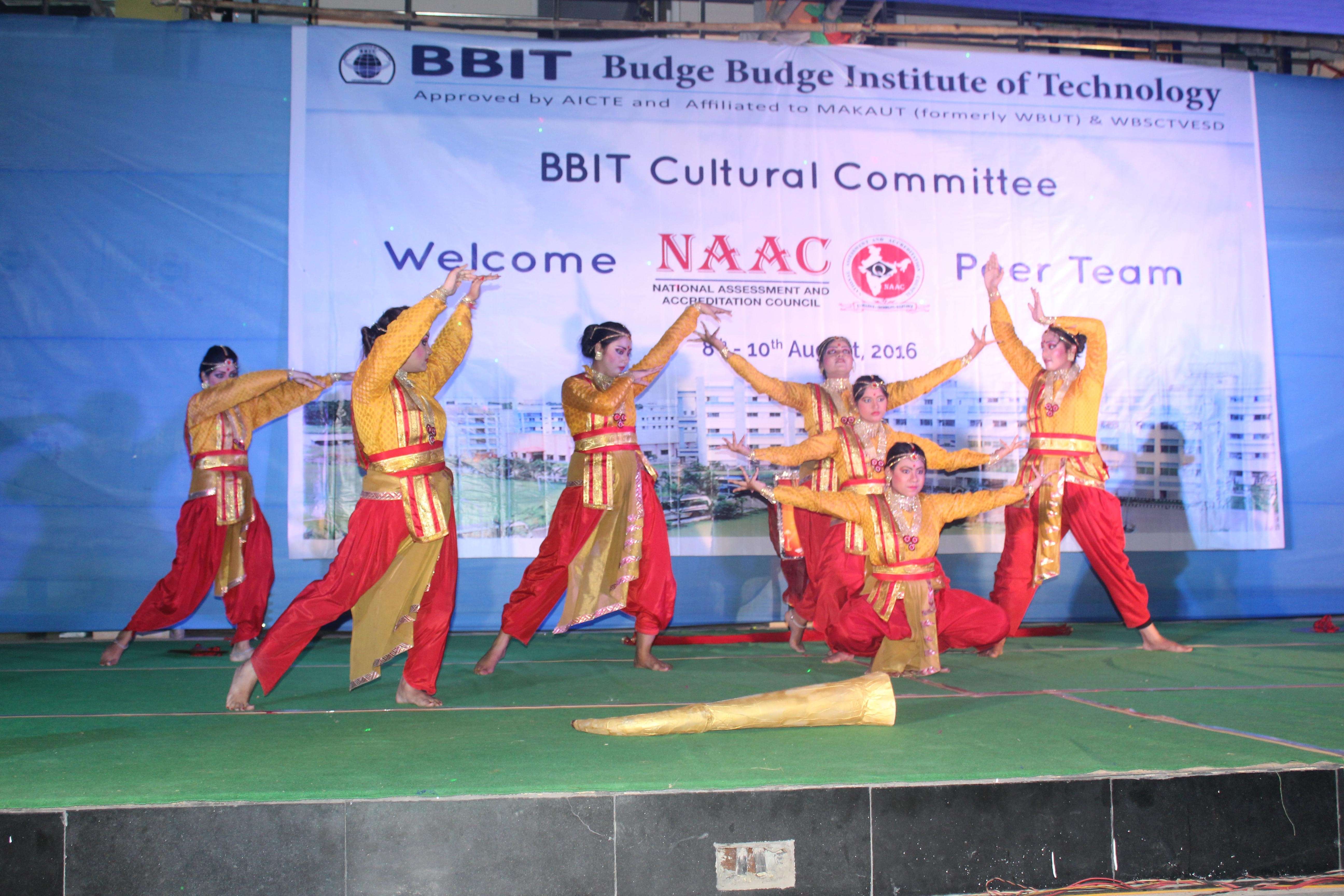
OfficialBudge Budge Institute of Technology is a other institution in Kolkata, established in 2009. Budge Budge Institute of Technology (BBIT) is a private engineering college established in 2005 in Kolkata's IT hub, Salt Lake. Located in one of West Bengal's most developed industrial zones, BBIT has grown into a mid-sized institution offering undergraduate and postgraduate engineering programs. The college is affiliated with Maulana Abul Kalam Azad University of Technology (MAKAUT), West Bengal's apex engineering university, which governs curriculum and evaluation standards. Academic Programs: BBIT offers 4-year B.Tech degrees in Civil, Mechanical, Electrical, Electronics & Communication, Computer Science & Engineering, and Information Technology. Intake capacity across all branches totals approximately 660 students per batch. The college also offers M.Tech programs in specialized domains including Power Systems, VLSI Design, and Structural Engineering, with intake capacity of 80 postgraduates. Diploma programs in engineering are also available for 12th-pass students, with 180-seat annual intake. The curriculum follows MAKAUT guidelines but incorporates industry-relevant updates and skill-based modules in Python, IoT, cloud computing, and data analytics. Campus Infrastructure: The campus spans 18.5 acres with modern laboratory facilities including state-of-the-art Electronics Laboratory, Structural Testing Lab, Thermal Engineering Lab, Computer Networking Lab, and Digital Signal Processing Lab. The library holds 25,000+ volumes with access to online databases like IEEE Xplore and ACM Digital Library. Separate boy's and girl's hostels accommodate 900+ students. The campus features a 50-meter network connectivity, dedicated Wi-Fi zones in academic blocks, and a centralized ERP system for academic management. Placement Performance: BBIT has maintained 88-92% placement rate over the past three years. Average salary for 2023-24 batch stood at INR 5.2 lakhs, with median at INR 4.8 lakhs. Top recruiters include TCS, Wipro, HCL Technologies, Tech Mahindra, ICICI Bank, HDFC Bank, and Amazon. Consulting sector placements through companies like Deloitte and Ernst & Young have improved significantly. Core engineering roles in manufacturing sector are limited compared to IT services. Research & Faculty: Approximately 65% of faculty hold Ph.D. qualifications. Key research areas include Renewable Energy Systems, IoT Applications, Structural Health Monitoring, and Smart Grid Technologies. Faculty publications in peer-reviewed journals average 40-50 papers annually. The college has MoUs with organizations like National Institute of Solar Energy and several PSUs for collaborative research projects. Campus Life: BBIT hosts technical fest 'TechnoHaven' and cultural fest 'Rhythmix' annually. Student clubs include Robotics Club, Coding Club, Environmental Club, Entrepreneurship Cell, and Cultural Society. Sports facilities include basketball court, badminton courts, cricket ground, and gymnasium. Approximately 15-20 ragging complaints are filed every two years, with strict anti-ragging measures enforced. Women safety is generally reported as good with CCTV surveillance in hostel areas and dedicated female security staff. Student Demographics: Majority of students (72%) come from West Bengal, with 18% from other Eastern states and 10% from pan-India. Male-female ratio is approximately 65:35. Average family income of admitted students is INR 4.5-6 lakhs annually, indicating middle-class student base. Who Should Apply: BBIT suits students seeking affordable engineering education in Eastern India with reasonable placement prospects in IT services sector. It's ideal for students from West Bengal and Eastern states who prefer staying close to home while accessing quality infrastructure. However, it's not the optimal choice for students targeting premium consulting firms, pure core engineering roles, or highly research-focused careers. Students expecting Tier-1 college experience should calibrate expectations—BBIT is a solid Tier-2 option with modest infrastructure compared to IITs/NITs but better infrastructure than smaller private colleges. Unsaid Realities: Placement concentration in IT services is high; manufacturing/core engineering recruiters are fewer. Faculty research output is respectable but not cutting-edge. Hostel accommodation is guaranteed only for first-year students; senior students compete for limited hostel seats. Local market recognition is strong in Bengal; pan-India brand value is limited. Faculty turnover has been 8-10% annually due to migration to better-paying institutions.