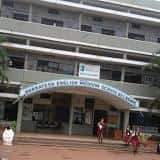
Bharatesh Homoeopathic Medical College & Hospital
About
OfficialBharatesh Homoeopathic Medical College & Hospital is a other institution in Belgaum, established in 1982. Bharatesh Homoeopathic Medical College & Hospital (BHMCH) is a private homoeopathic medical institution located in Belgaum (now officially Kalaburagi), Karnataka. Established in 2008, the college was founded with the mission of promoting homoeopathic education and research in India. It operates under the governance of the Bharatesh Trust and is recognized by the Ministry of Ayush (Government of India) and affiliated with Dr. M.V. Shetty University. The college is situated approximately 15 km from Belgaum city center in the suburban area of Ramthal Village, providing a relatively quiet campus environment conducive to medical studies. The institution offers undergraduate (BHMS - Bachelor of Homoeopathic Medicine and Surgery), postgraduate, and diploma programs in various homoeopathic specializations. The BHMS program is a 5.5-year integrated degree course (4.5 years of academic study plus 1 year of internship), which is the standard duration for homoeopathic medical education in India. The college emphasizes both classical homoeopathic principles and contemporary scientific approaches to medical education. Academic programs include general studies in homoeopathy, as well as specialized postgraduate programs in Clinical Medicine, Materia Medica, Pharmacy, and Pathology. The college maintains a well-equipped teaching hospital attached to the campus, which serves as the primary clinical training ground for students. This 80-bed hospital with outpatient and inpatient facilities provides students with hands-on clinical experience in treating patients from the surrounding regions. The faculty comprises homoeopathic practitioners with varying levels of experience, though the college has faced challenges in recruiting highly specialized postgraduate-level faculty, which is a limitation common across homoeopathic medical colleges in India. The college library houses approximately 8,000 volumes covering homoeopathic literature, medical sciences, and related subjects, though digital resources remain limited compared to allopathic medical institutions. Research at BHMCH is primarily focused on clinical case studies and comparative efficacy studies of homoeopathic remedies, though the volume and quality of published research is modest relative to larger medical institutions. The institution has not yet achieved high visibility in national and international research publications, reflecting the broader challenge of evidence-based research in homoeopathic medicine. Campus infrastructure includes basic laboratory facilities, a seminar hall, computer labs with internet connectivity, and segregated hostels for male and female students. The hostel facilities are basic but functional, with approximately 60% of students residing on campus. The college cafeteria provides affordable meals, and the nearby Ramthal village area offers limited but adequate food and supply options. Placement and career prospects for BHMCH graduates are moderate. Homoeopathic practitioners typically establish private practices or join existing clinics, hospitals, and wellness centers rather than accessing corporate recruitment like allopathic graduates. Salary expectations are significantly lower than allopathic MBBS graduates, with most graduates earning between 3-6 lakhs annually in their early career, either as private practitioners or in institutional roles. Some graduates pursue higher qualifications abroad or in other medical systems. The student population is drawn primarily from tier-2 and tier-3 towns in Karnataka, Maharashtra, Andhra Pradesh, and Tamil Nadu, reflecting the regional demand for homoeopathic medicine. A small percentage of international students from neighboring South Asian countries also enroll. The college maintains modest but functional sports facilities including a basketball court, badminton facility, and open grounds for cricket and general athletics. Annual cultural and sports events are organized, though these pale in scale compared to larger educational institutions. Student satisfaction varies; while some appreciate the focused curriculum and direct clinical exposure, others criticize the limited infrastructure, modest library resources, and perception that homoeopathic qualifications have lower market value in metropolitan areas. The faculty is generally accessible and approachable, and the college atmosphere is relatively informal and collegial. Ragging is reportedly minimal, and safety protocols are implemented for students, particularly female students. The college is recommended for students genuinely interested in homoeopathic medicine as a career path, those from middle-income backgrounds seeking affordable medical education, and students from non-metro regions where homoeopathic practice is culturally established. It is less suitable for students primarily motivated by high salaries, corporate sector placement, or aspirations to migrate to Western countries for medical practice, as the Indian homoeopathic degree has limited recognition and practice scope in developed nations. The college represents a practical, accessible entry point into the Indian medical system for students unable to secure seats in allopathic MBBS programs, though career trajectory and earning potential are notably different from mainstream medical education.