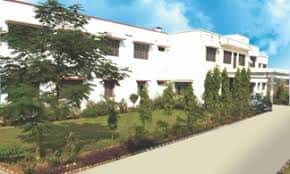
Bankey Bihari College of Law
About
OfficialBankey Bihari College of Law is a other institution in Budaun, established in 2009. Bankey Bihari College of Law (BBCL) was established in 2007 in Budaun, Uttar Pradesh, with the vision of providing quality legal education to students from Tier-2 and Tier-3 cities. Named after the historically significant Bankey Bihari deity, the college is situated in a semi-rural setting approximately 220 km southeast of Delhi. The institution is affiliated with Dr. Bhimrao Ambedkar University, Agra, and is recognized by the Bar Council of India (BCI). Over its 17-year operational history, BBCL has grown from a single 5-year integrated law program to a multi-program institution offering undergraduate and postgraduate law education. The college aims to bridge the access gap for legal education in smaller cities where quality institutions are sparse. Unlike metropolitan law colleges that attract top CLAT rankers, BBCL serves a different demographic: working professionals seeking part-time education, local talent from UP and neighboring states, and students seeking affordable legal education outside major metros. This positioning makes it both an opportunity and a challenge—opportunity for students who couldn't secure seats at top NLUs or city-based law colleges, challenge in terms of placement networks and brand recognition. The college has 850 total students distributed across three main programs: 5-year integrated BA LLB, 3-year LLB for graduates, and 2-year LLM. Faculty strength stands at 45 members, of which approximately 35% hold PhDs or are pursuing doctoral research. The college maintains a faculty-to-student ratio of approximately 1:19, reasonable for a regional law institution. BBCL's academic approach emphasizes traditional doctrinal study combined with moot court practice, constitutional law seminars, and legal writing workshops. The college maintains a legal aid clinic where final-year students handle cases pro bono in district courts, providing practical exposure. However, research output remains limited, with faculty publishing primarily in regional law journals rather than national or international publications. Placements are the college's softest area—while 65-70% of graduates secure law-related employment within 6 months, many accept positions as junior advocates in district courts or small legal firms paying 200,000-350,000 INR annually. Only 15-20% secure positions with established corporate law firms or in-house counsel roles. This reality gap between expectations and outcomes affects student satisfaction significantly. The college has no hostel facility on campus, creating logistical challenges for out-of-station students. The city of Budaun itself is a Tier-3 city with limited corporate presence, which constrains internship and placement opportunities. Student infrastructure includes a library with 12,000+ volumes, computer lab with internet access, and three moot courtrooms that simulate District, High Court, and Supreme Court settings. The college conducts regular moot court competitions, constitutional law seminars, and legal research workshops. Annual constitutional law symposium attracts participants from nearby colleges. Campus life is relatively modest compared to metropolitan law colleges—no annual fest on the scale of Delhi or Mumbai institutions, but regular internal competitions, faculty-student interactions, and occasional guest lectures by practicing advocates and judges. The college operates under strict academic discipline with 80% attendance requirement and regular assessments. Ragging is strictly prohibited with zero-tolerance policy; no reported incidents in past 5 years. Safety for women is generally good; separate hostel accommodations arranged through affiliated PGs for female students. The college's unique strength lies in its affordability and accessibility for economically weaker sections and students from non-English medium backgrounds. Approximately 45% of student body are first-generation law aspirants. The college provides bridge programs for Hindi-medium students and conducts English proficiency workshops. Notable alumni include several advocates practicing in district courts, some government counsels, and a few who transitioned to corporate law. However, no globally recognized legal scholar or Supreme Court advocate has emerged from the institution yet. For prospective students: BBCL is ideal if you are seeking affordable legal education, do not have resources for coaching or Delhi migration, are interested in court practice rather than corporate law, or value practical exposure through the legal aid clinic. It is NOT suitable if you aim for top corporate law firms immediately after graduation, seek research-oriented legal education, require advanced infrastructure, or depend heavily on alumni networks. The institution provides decent foundation for legal practice but requires significant self-effort for career advancement beyond district court advocacy.