Bangalore City Group of Institutions
About
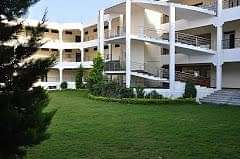
OfficialBangalore City Group of Institutions is a other institution in Bengaluru, established in 2003. Bangalore City Group of Institutions (BCGI) was established in 2007 and has evolved into a significant engineering and management education hub in the Bangalore metropolitan area. Located in Sikandarpur on the Sarjapur Road corridor—approximately 35km from Bangalore city center—the institution operates from a sprawling 35-acre campus in a suburban setting that balances urban accessibility with a quiet academic environment. The college is approved by AICTE and affiliated with Visvesvaraya Technological University (VTU), positioning it within Karnataka's state engineering education ecosystem. BCGI operates multiple schools including Engineering, Management, and Commerce, serving approximately 4,200 students with a faculty strength of 280 across all disciplines. The institution's founding philosophy centered on providing quality engineering education at accessible cost points, targeting middle and lower-middle class families across South India. Over 17 years, BCGI has attempted to build a reputation through infrastructure investment, industry partnerships, and placement focus, though it remains a Tier-2 private engineering college rather than an elite institution. The engineering programs span civil, mechanical, electrical, electronics, computer science, and information technology disciplines at both undergraduate and postgraduate levels. Management programs include MBA with specializations in finance, marketing, and operations. The infrastructure includes modern laboratories with CNC machines, electronics workbenches, CAD suites, and software testing centers. A dedicated research block houses faculty-led projects in IoT, blockchain, renewable energy, and advanced manufacturing. The library houses approximately 40,000 volumes with digital access to IEEE Xplore, ACM Digital Library, and Taylor & Francis databases—adequate for coursework but not exceptional. Placement records show 75-82% placement rates for engineering graduates with median salaries in the 4-5.5 LPA range, concentrated in IT services and manufacturing. The college has tied-ups with companies like Infosys, TCS, Capgemini, Cognizant, L&T, ABB, and Siemens. However, core engineering placements (civil, mechanical) remain weaker than software-focused branches. The college has invested significantly in campus amenities including hostels for 1,200+ students, a 50,000-seat auditorium (shared with management school), cafeteria, sports complex with volleyball/badminton courts, and a health center. Internet connectivity across campus operates at 20-50 Mbps with WiFi in academic blocks and hostel areas. The campus culture emphasizes both academics and co-curricular activities through 25+ student clubs covering technical, cultural, and sports domains. Annual technical fest 'TechnoVision' attracts 2,000+ participants from other colleges. Sports teams compete in volleyball, badminton, cricket, and athletics at university and inter-college levels with modest success. Women students comprise 25-30% of engineering intake, with dedicated hostel facilities and a women's safety committee, though like many suburban colleges, evening commute safety remains a concern. The institution faces typical Tier-2 college challenges: variable faculty quality (mix of PhD holders and industry practitioners), inconsistent infrastructure maintenance, occasional placements pressure creating exam-focused rather than conceptual learning culture, and location on the outskirts affecting day-scholar convenience. Alumni network remains developing, with notable placements in mid-tier IT companies and some startup ventures rather than tier-1 corporate leadership positions. BCGI is best suited for: students with JEE-Main scores in 85-92 percentile range seeking engineering education beyond top-50 colleges; those prioritizing affordability over brand prestige; students committed to manufacturing/core engineering who can leverage company tie-ups; candidates preferring suburban campus tranquility over city center hustle; and those planning further studies (MS abroad) rather than immediate job placement. The college is NOT recommended for: JEE-Advanced qualified students (they have better options), candidates seeking research-intensive academics, students unable to handle 35km commute from city center, or those prioritizing world-class infrastructure and faculty depth. The institution represents practical engineering education with decent placement outcomes rather than transformative academic experience.