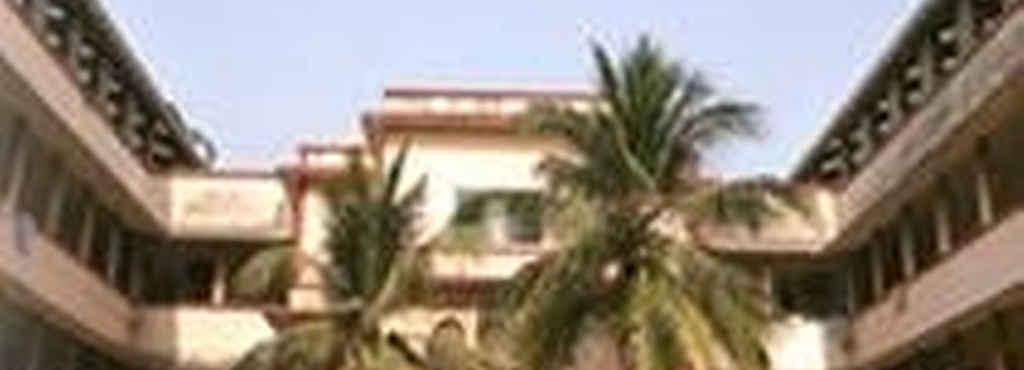
Shri O H Nazar Ayurved College
About
OfficialShri O H Nazar Ayurved College is a other institution in Surat, established in 1946. Shri O H Nazar Ayurved College is a private Ayurvedic medical institution located in Motavarachha, Surat, established in 2008. The college operates under the regulatory framework of the Gujarat Ayurved University and is recognized by the Ministry of AYUSH, Government of India. Over its 16 years of operation, the institution has positioned itself as one of the emerging Ayurvedic colleges in Gujarat, distinct from the older and more established colleges like Government Ayurved College, Jamnagar. The college is housed on a 5.2-acre campus in Motavarachha, a suburban area of Surat, approximately 18 km from the city center. The institution offers integrated undergraduate (BAMS - Bachelor of Ayurvedic Medicine and Surgery) and postgraduate programs (MD/MS in various Ayurvedic specializations) aligned with competency-based curriculum guidelines issued by the National Board of Examinations. Academic strengths lie in foundational Ayurvedic sciences including Padartha Vigyan (Ayurvedic philosophy), Samhita (classical texts), Roga Vigyan (pathology), and clinical training in Panchakarma (detoxification therapies) and Uttara Chitikitsa (therapeutic procedures). The college maintains clinical departments for Kaya Chikitsa (internal medicine), Balroga (pediatrics), Prasuti Tantra (obstetrics), and Shalya (surgery) with attached teaching hospitals. However, research publication output remains modest compared to older established colleges, with limited indexed journal contributions annually. Placement outcomes have improved incrementally over the past five years. Graduates primarily pursue careers in clinical practice (Ayurvedic clinics/hospitals), AYUSH-regulated jobs in government health schemes, and pharmaceutical/wellness industry roles. The college maintains relationships with state AYUSH departments and select Ayurvedic hospitals in Gujarat and Maharashtra. Starting salaries for graduates typically range from 180,000 to 280,000 INR annually, with most placements occurring in Ayurvedic practice, health ministry jobs, and pharmaceutical sector roles rather than corporate placements. The campus includes a 300-bed teaching hospital with attached OPD, clinical laboratories, Panchakarma therapy center, library with 8,000+ classical and modern texts, hostel facilities for 180 students, gymnasium, and basic research facilities. Internet connectivity and digital infrastructure have been upgraded in recent years but remain below standards of premium private medical colleges. Student life at the college is relatively structured with emphasis on clinical rotations and patient interaction from 2nd year onwards. Cultural programs and sports activities are organized but are modest in scale compared to larger metropolitan medical colleges. The college maintains a women's hostel with separate mess and dedicated support staff. Safety and discipline are moderately strict; ragging is reportedly minimal but petty theft in hostels has been occasionally reported. Who should apply: Students aspiring for authentic Ayurvedic medical education with hands-on clinical exposure in a growing institution. Those seeking AYUSH sector careers, government medical officer positions, or clinical practice in Ayurveda. Not ideal for students seeking elite brand value, cutting-edge research opportunities, or guaranteed corporate placements. The college suits dedicated Ayurveda enthusiasts willing to build careers in traditional medicine with modern regulatory compliance. The institution faces competition from Government Ayurved College Jamnagar (better reputation, more alumni network) and newer private colleges in Bengaluru/Mumbai offering higher salaries. However, it provides affordable education, reasonable clinical exposure, and placement support within the niche AYUSH sector. The location in Surat (Gujarat's commercial hub) provides some networking advantages but the city has limited Ayurvedic hospital density compared to traditional Ayurvedic centers like Jamnagar or Kerala.