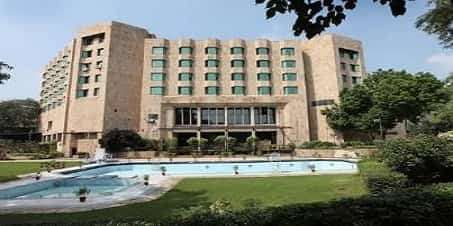
Ashok Institute of Hospitality & Tourism Management
About
OfficialAshok Institute of Hospitality & Tourism Management is a other institution in New Delhi, established in 2003. Ashok Institute of Hospitality & Tourism Management (AIHTM) was established in 2008 in New Delhi as a specialized institution focusing exclusively on hospitality, tourism, and hotel management education. Located in the Okhla industrial area, the institute emerged from the recognition that India's rapidly growing hospitality and tourism sectors required dedicated professional training institutions beyond traditional management colleges. The founding vision was to create industry-relevant curriculum aligned with global hospitality standards while maintaining affordability and accessibility for Indian students. The institute operates from a compact but strategically located urban campus in South Delhi, positioned between two major industrial complexes and near transportation hubs. While the campus size (2.5 acres) is modest, the location offers proximity to Delhi's hospitality hub, making industry interactions and internships logistically feasible. The institute is NOT a government institution and operates as a private college under DU's tutelage for some programs, while others are autonomous in nature. AIHTM's academic portfolio centers entirely on hospitality and tourism disciplines. The primary programs include Bachelor of Hotel Management (BHM), Bachelor of Tourism Management (BTM), and various postgraduate programs like Master of Hotel Management and specialized diploma courses. The Bachelor's programs run for 3 years (after 12th) with integrated internships during the curriculum. The institute has progressively increased intake from initial batches of 60-80 students to current levels of 120-150 per program, reflecting sector demand. Curriculum design emphasizes practical skill development over theoretical knowledge. Students undergo mandatory 6-month internships at 3-4 and 6-semester levels, often at luxury hotels and hospitality chains across India and occasionally abroad. Partnerships with hotels like ITC, Taj, The Oberoi, Marriott, and Hyatt enable placement of interns in premium establishments. The academic structure includes food production, food service, front office operations, housekeeping management, event management, and revenue management as core specializations. Research and innovation at AIHTM remain limited compared to larger management institutions. The institute does not have significant PhD programs or dedicated research centers. However, faculty have published papers on hospitality management trends, sustainable tourism, and culinary innovation in regional journals. Some projects focus on heritage tourism preservation and community-based tourism models for rural development. Placement outcomes form the cornerstone of the institute's reputation. For batch 2023-24, approximately 85-90% placement rate was achieved with median salary around INR 4.5-5.0 lakhs annually for entry-level positions like Guest Relations Officers, Front Office Executives, and Operations Trainees. Highest placements reached INR 10-12 lakhs for candidates securing management trainee positions at premium hotel groups or specialized roles in revenue management and F&B management. However, salary growth trajectory in hospitality differs from IT/consulting sectors—initial salaries are moderate but experiential growth accelerates faster. Top recruiters include ITC Hotels, Taj Hotels, The Oberoi Group, Marriott International, Hyatt Hotels, Park Hotels, Club Mahindra, Thomas Cook, Cox & Kings, Indian Railways Catering & Tourism Corporation (IRCTC), Kuoni Travel, and various casino and resort chains. Airlines like Air India and SpiceJet also recruit for hospitality roles. Unlike engineering/management institutes with heavy tech/finance recruitment, AIHTM placements concentrate in hospitality operations, events management, and tourism services. Notable alumni include Arjun Dey (batch 2010), currently General Manager at The Oberoi, Delhi; Priya Sharma (batch 2012), Director of Sales at Marriott Mumbai; and Rohit Singh (batch 2011), who established a boutique heritage hotel chain in Rajasthan. Alumni network remains smaller than IITs/IIMs but is functional within hospitality circles. Campus infrastructure reflects the institute's size and financial constraints. The facility includes a teaching hotel with mock front office, housekeeping, and F&B lab sections; a commercial kitchen for food production training; library with hospitality-specific journals; computer lab; and basic sports amenities. A standalone student hostel accommodates approximately 150 residents. WiFi coverage is campus-wide but occasional bandwidth issues during peak hours are reported. Air-conditioning is available in classrooms and common areas. Student life remains modest. The institute hosts annual events like Hospitality Fest (cultural competitions, food festivals), sports day, and industry seminars. However, due to the smaller, specialized cohort, the vibrancy of extra-curricular activities is lower than broader management colleges. Most students engage through industry-linked clubs focused on F&B appreciation, tourism destination studies, and event management volunteering. Who should apply: Students genuinely interested in hospitality operations, hotel management, or tourism services rather than those treating it as a fallback engineering alternative. The institute suits candidates who prefer hands-on learning, enjoy customer interaction, and view hospitality as a viable long-term career rather than a stepping stone to finance/consulting. Candidates from Delhi or willing to relocate benefit from proximity to major hotels and tourism offices for internships. Students seeking small batch sizes and personalized mentoring will find value. Those expecting IT/finance-level starting salaries or corporate careers should recalibrate expectations—this is a service-sector specialized institution. Key limitations: Limited geographic reach (most placements are Delhi-NCR based), smaller alumni network compared to large universities, modest research output, and dependence on hospitality sector cycles (vulnerable during tourism downturns). Faculty research activity is minimal. The brand recognition outside hospitality circles remains limited.