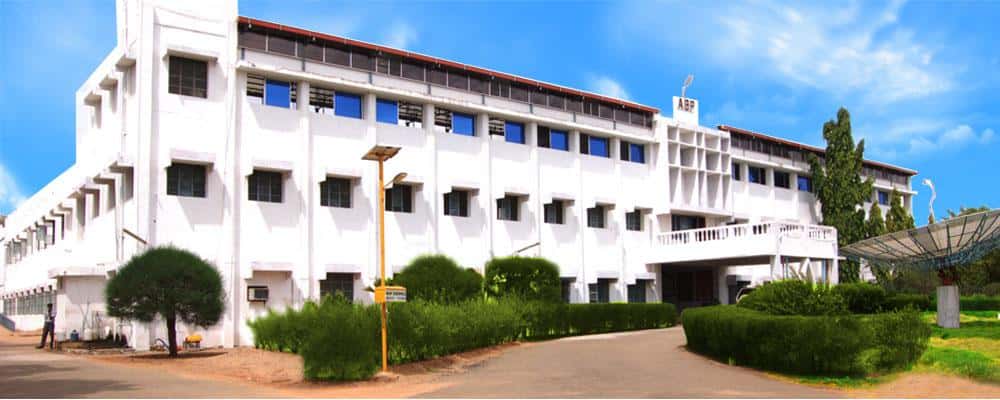
Arasan Ganesan Polytechnic College
About
OfficialArasan Ganesan Polytechnic College is a other institution in Virudhunagar. Arasan Ganesan Polytechnic College (AGPC) is a government-aided engineering polytechnic institution established in 1989 in Virudhunagar, Tamil Nadu. Founded with the mission to provide affordable, quality technical education to students from economically weaker backgrounds, the college has evolved into one of the prominent diploma engineering institutions in southern Tamil Nadu. The institution is named after the philanthropist Arasan Ganesan, whose endowment enabled the college's initial establishment. Located approximately 12 km from Virudhunagar city center in the Kannanur area, the college serves a predominantly rural and semi-urban student population, many of whom are first-generation learners. The campus spans 12.5 acres with a mix of academic blocks, hostel facilities, and sports grounds. With an annual intake of approximately 800 diploma students across multiple engineering disciplines, AGPC positions itself as a bridge institution between secondary education and either direct employment or further degree-level studies. The college is affiliated with the Tamil Nadu State Board of Technical Education and Vocational Training (TNBTE) and offers 3-year diploma programs across core engineering branches. AGPC maintains NAAC accreditation and undergoes regular NBA (National Board of Accreditation) assessments for specific engineering programs. The institution has developed a reputation for producing diploma graduates who secure mid-level technical positions in manufacturing, automotive, and IT sectors. Placements have shown steady improvement over the past five years, with 2023-24 data indicating approximately 72% placement rates, though this varies significantly by branch and specialization. The average salary for placed graduates hovers around 3.2-3.8 lakhs annually, which is respectable for a diploma-level institution but not exceptional. The college has particularly strong networks with automobile ancillary units, textile machinery manufacturers, and small-to-medium manufacturing enterprises across Tamil Nadu and southern India. Faculty strength stands at 185, with approximately 35% holding postgraduate qualifications and about 8% having completed doctoral degrees—relatively modest by modern standards but functional for diploma-level instruction. The college operates two separate hostel blocks for male and female students, housing approximately 35% of the student body, though hostel allocation remains competitive and often goes to students from remote areas. Campus life is structured around curricular activities, with moderate emphasis on extra-curricular engagement. The college hosts an annual cultural and technical festival, participates in inter-collegiate competitions, and maintains student clubs for technical skills, sports, and cultural activities. Internet connectivity across the campus is adequate but not exceptional, with WiFi coverage limited to administrative and academic blocks. The library houses approximately 18,000 books and access to basic online journals through TNBTE subscriptions. Student sentiment regarding the institution is mixed: those who gain practical skills and secure placements rate the college favorably, while others criticize the lack of modern laboratory equipment, limited research opportunities at the diploma level, and the somewhat isolated rural location. The college is not positioned for students seeking world-class infrastructure or research exposure at the diploma level; rather, it serves students seeking affordable technical training, basic industry readiness, and entry into technical employment or further studies. It is particularly suited for rural and semi-urban Tamil Nadu students with limited financial resources who prioritize practical skill development and employment outcomes over prestige or campus amenities. The institution's greatest strength lies in its affordability, its understanding of the regional job market, and its network with local and regional employers. Weaknesses include aging infrastructure in some departments, limited exposure to emerging technologies like IoT and AI, and geographical isolation from major tech hubs, which limits student access to internship opportunities and cutting-edge industry interaction.