Apeejay Institute of Technology - School of Architecture and Planning
About
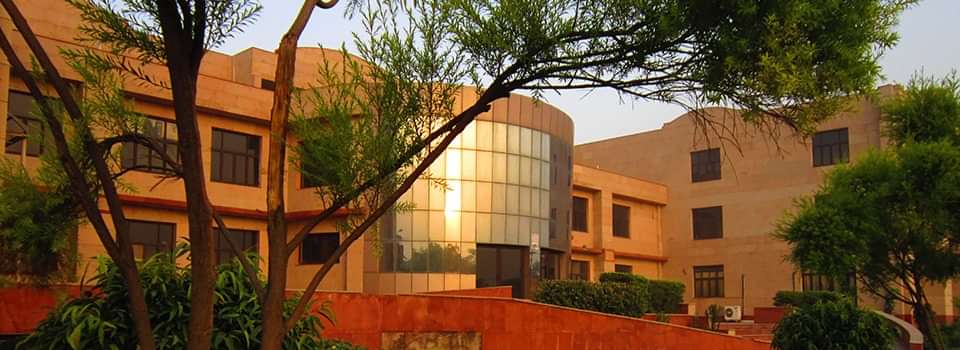
OfficialApeejay Institute of Technology - School of Architecture and Planning is a other institution in Greater Noida, established in 1999. Apeejay Institute of Technology (AIT), established in 2005 as part of the Apeejay Education Society group, represents a mid-tier private engineering and architecture institution located in Greater Noida, Uttar Pradesh. The School of Architecture and Planning within AIT has emerged as one of the notable architecture programs in the National Capital Region, though operating in the shadow of more established institutions like Delhi School of Architecture and Manipal's architecture programs. The institution was founded with the vision of providing quality technical education with an emphasis on practical skills and industry relevance. Spread across 45 acres in the planned Jaypee Greens township, the campus offers a relatively modern infrastructure setup with proximity to Delhi's institutional zone while maintaining a suburban character. The Architecture and Planning school specifically offers undergraduate 5-year B.Arch degrees and postgraduate M.Arch programs in specializations like Advanced Architecture Design, Sustainable Design, and Urban Planning. The curriculum attempts to balance theoretical foundations with studio-based practical work, though feedback indicates that design studios can be crowded and mentor attention varies significantly based on faculty. The institution has received NBA accreditation for its B.Arch program, adding credibility to its curriculum alignment with national standards. However, unlike DCSA or Manipal, AIT Architecture does not carry the brand equity that ensures automatic recognition in the architectural profession. The student body comprises approximately 2,400 across all disciplines, with the architecture school housing roughly 600-700 students across B.Arch and M.Arch programs. Faculty strength in architecture stands at around 45-50 dedicated faculty members, maintaining a reasonably decent student-to-faculty ratio of approximately 13-15:1 for design studios. Many faculty members hold professional practice experience, though research output and publications remain modest compared to older established schools. The institution has developed partnerships with architectural firms and real estate companies for internships, but these are primarily Delhi NCR-centric. Placement and career outcomes in architecture represent a significant consideration point. While the institution tracks placements, the architecture profession functions differently from engineering—many graduates transition to independent practice, consulting firms, or design studios rather than corporate placements with defined salary packages. Graduate employment data suggests approximately 70-75% of students secure architectural positions or transition into further studies within 6 months of graduation. However, salary expectations should be moderated: entry-level positions in Delhi NCR architecture firms typically offer 3.5-5.5 LPA for fresh B.Arch graduates from AIT, substantially lower than engineering counterparts. Top-performing students from the school have moved to prestigious international programs (AA London, Carnegie Mellon, NUS) or established design practices, but these represent exceptional cases rather than the norm. The campus infrastructure has been steadily upgraded since its establishment. The architecture school boasts dedicated design studios with high-speed internet, a well-stocked library with architecture-specific collections, a materials laboratory, and scale model workshop. Computer labs equipped with software like AutoCAD, Revit, SketchUp, and rendering tools are available, though during peak semester load, access can become competitive. The main library holds approximately 45,000 titles including rare architecture and urban planning texts. Physical infrastructure remains adequate but not exceptional—studio spaces lack the dramatic high ceilings and abundant natural light found in older prestigious institutions, and the building services sometimes struggle during peak academic seasons. What distinguishes AIT Architecture is its location advantage: Greater Noida's proximity to Delhi's architectural heritage, ongoing urban development projects, and the concentration of architectural firms in the NCR region provides tangible field experience opportunities. Students regularly visit monuments, heritage conservation sites, and ongoing construction projects. The institution has established MoUs with Delhi Development Authority, Noida Development Authority, and several private developers for live project exposure. Urban studios involving actual redevelopment projects have provided real-world context to theoretical learning. However, this advantage primarily benefits students who actively pursue these opportunities; casual learners may miss out. Campus life presents a mixed picture. The institution hosts annual architecture festivals, competitions, and exhibitions that generate creative energy and showcase student work to the profession. Student clubs including the Architecture Society, Sustainability Forum, and Heritage Conservation Club facilitate intellectual engagement. However, social infrastructure—while adequate—does not match premium private institutions. Hostel facilities are available (separate for men and women) at reasonable costs, and a vegetarian-dominant mess caters to diverse dietary preferences. Extracurricular activities exist but lack the vibrancy of larger metropolitan campuses; cultural and sports infrastructure trails that of institutions like Delhi Tech or BITS campuses. The institution maintains reasonable academic standards through continuous internal assessment, design juries, and comprehensive examinations aligned with architectural education frameworks. The coursework covers architectural history and theory, building science, construction technology, landscape design, and urban planning, providing a reasonably comprehensive foundation. However, the depth of engagement in specialized areas like conservation, parametric design, and emerging sustainable technologies depends heavily on individual faculty expertise. Advanced electives in digital fabrication and computational design exist but operate below the cutting edge compared to leading international schools. Student satisfaction surveys (internal and third-party) consistently rate academics as 7.2/10, citing good foundational teaching but occasional gaps in contemporary architectural discourse. Infrastructure receives 7.0/10 for adequacy but not excellence. Placement and career guidance receives 6.8/10, reflecting the inherent challenges of architecture career structuring rather than institutional failure. Value for money is rated 7.5/10, as total program cost (approximately 18-22 LPA for 5-year B.Arch) competes reasonably well against Delhi private schools though superior to government alternatives (DCSA, ISM Dhanbad). Overall campus rating averages 7.1/10, indicating a competent mid-tier institution without exceptional distinguishing features. AIT Architecture is most suitable for students seeking quality architecture education in the NCR region without the prohibitive costs of premium metros institutions, with reasonably good placement prospects in the Delhi NCR architectural profession, and comfortable with a suburban campus environment. It appeals to students oriented toward professional practice rather than academic research, as the institution's research output remains limited. Students should approach with realistic expectations: this is a solid foundation-building institution, not a destination for architectural philosophy or cutting-edge research engagement. The school's strength lies in professional competence development and networking within the NCR architectural ecosystem rather than in producing innovative thought leaders or serving as an incubator for architectural revolutionaries.