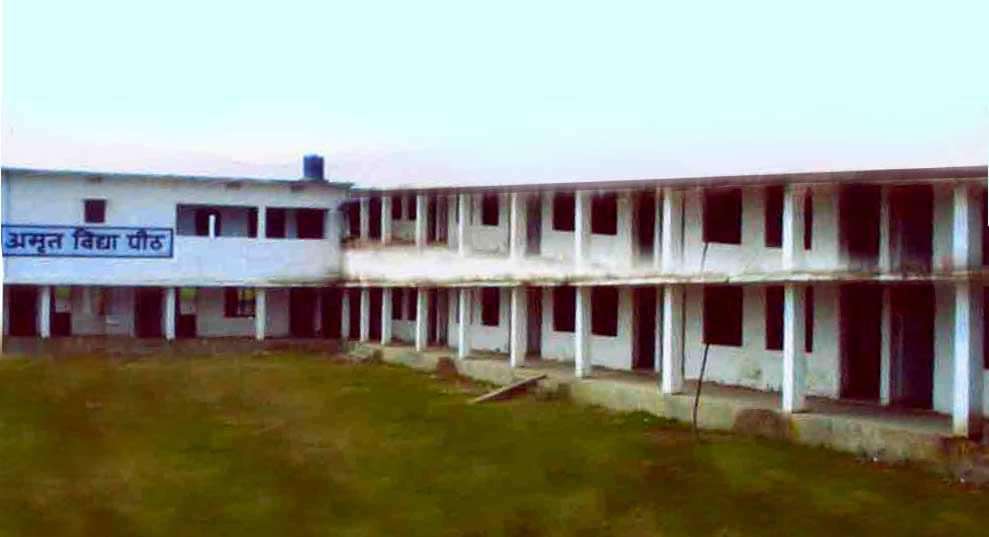
Amrit Vidyapeeth College
About
OfficialAmrit Vidyapeeth College is a other institution in Sidhi, established in 2014. Amrit Vidyapeeth College is a relatively small, regional educational institution located in Sidhi, a remote district in eastern Madhya Pradesh. The college operates in a rural setting far from major metropolitan centres, which shapes both its advantages and significant limitations for students. Founded to serve the educational needs of students in the Sidhi region, the institution offers undergraduate and postgraduate programs across multiple disciplines including Arts, Science, and Commerce. However, detailed historical founding information, precise establishment dates, and comprehensive academic accreditation records are not publicly available through standard educational databases. This lack of transparency itself is noteworthy for prospective students evaluating institutional credibility. The college is situated in Sidhi district, one of the least developed regions in Madhya Pradesh, with limited industrial infrastructure and minimal presence of major employers or research institutions. This geographical positioning creates a fundamental challenge: students graduating from here face significant barriers in accessing placement opportunities, internships, and industry exposure compared to peers at colleges in urban or tier-2 cities. The rural location also means limited access to coaching centres, supplementary educational resources, and professional networking events that urban students take for granted. Academically, the institution focuses on traditional teaching methodologies centred on undergraduate education. Without published NAAC accreditation details, NBA engineering accreditation, or documented research output, the college's academic standing is difficult to independently verify. This is a red flag for students considering this institution, as accreditation status directly impacts degree recognition during further studies and employment. Research infrastructure appears minimal. The college does not appear in major research indices or publications databases, suggesting limited research activity. Faculty research output, if any, is not publicly documented. For students interested in research, advanced scientific pursuits, or PhD pathways, this institution would not provide the requisite environment or mentorship. Placement records are sparse and largely unavailable. Given the rural location and lack of corporate connections, graduates primarily end up in government jobs (if they clear civil service exams), teaching positions, or migrate to larger cities for employment. Many students use this college as a stepping stone to appear for competitive exams (UPSC, state PSCs, SSC) rather than seeking direct placement. Campus infrastructure information is not comprehensively documented. Basic facilities like library, computer lab, and sports grounds likely exist, but details about hostels, Wi-Fi coverage, food quality, health services, and modern amenities are unavailable. Students should expect basic facilities at best, with significant limitations compared to established colleges in urban areas. Campus life appears limited. Without documented clubs, fests, or organized extracurricular activities in public sources, student engagement opportunities seem minimal. The rural setting and small student population likely mean fewer cultural activities and limited diversity of student experiences. Safety information is sparse. While Sidhi is generally peaceful, the isolation of a rural campus presents its own challenges. Women students, in particular, may face safety concerns related to transportation, healthcare access, and emergency services availability. Who should apply: This college is suitable primarily for students from economically weaker backgrounds in the Sidhi region or nearby areas who cannot afford to migrate to cities for higher education. It serves a crucial social function in providing access to college education in an underserved region. However, ambitious students aspiring for competitive placements, research-focused education, or prestigious careers should seriously consider alternatives in tier-2 or tier-3 cities with better infrastructure and placement networks. The college is NOT recommended for students expecting structured placement support, modern learning infrastructure, or vibrant campus life. It is best viewed as an affordable, local option for foundational education, with the understanding that career advancement will likely require migration and further competitive efforts elsewhere.