AMET University
About
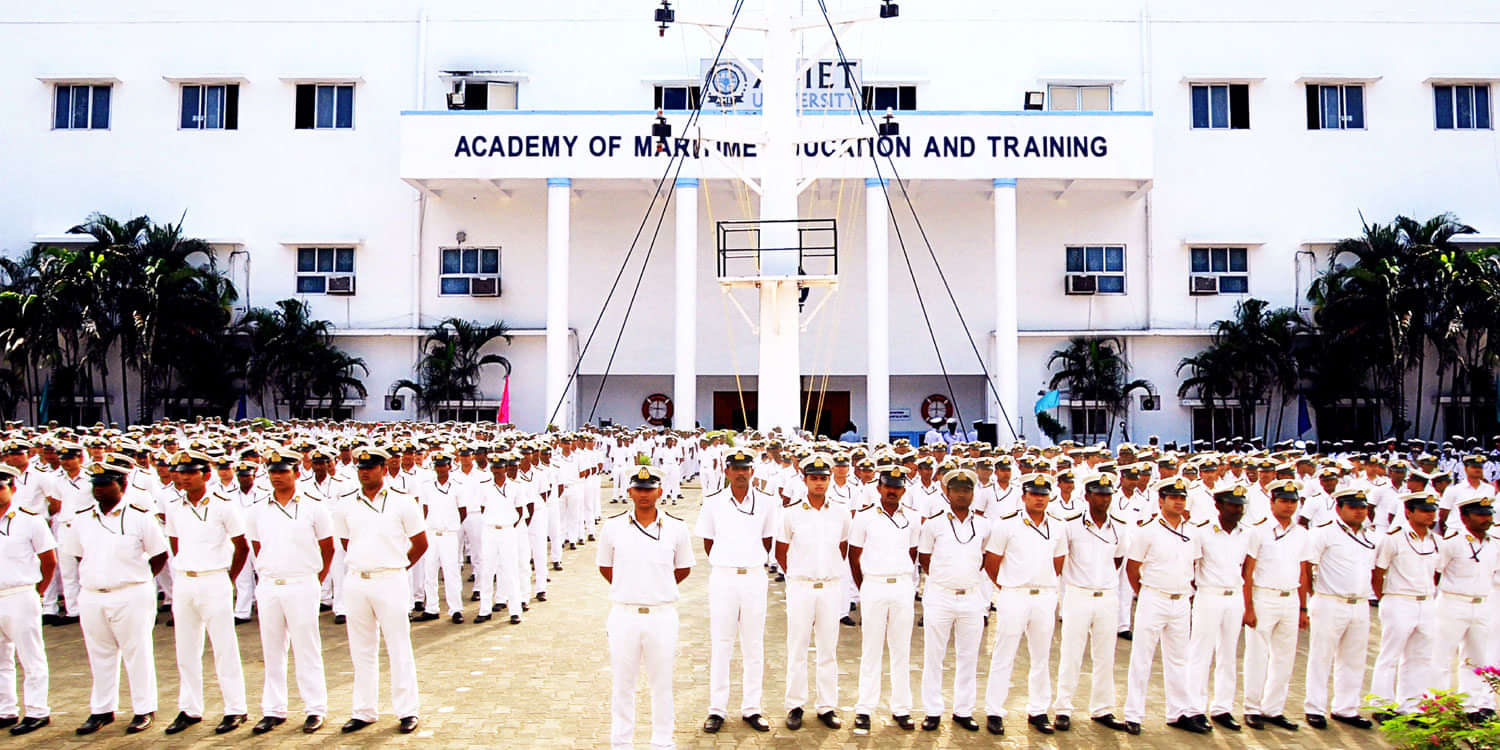
OfficialAMET University is a other institution in Kanchipuram, established in 1993. AMET (Academy of Maritime Education and Training) University, established in 1988 in Kanchipuram, Tamil Nadu, is a specialized higher-education institution uniquely positioned in India's maritime and engineering ecosystem. Originally founded as a maritime training academy, AMET evolved into a university in 2010 and has since diversified its academic offerings while maintaining strong roots in maritime disciplines. The university's 35-acre suburban campus is strategically located 15 km from Kanchipuram town and approximately 50 km from Chennai's city center, providing a balance between institutional autonomy and urban accessibility. AMET University operates as a private institution under the aegis of the Ministry of Education (Government of India) and holds statutory recognition, making it one of India's niche universities with maritime heritage. The institution's defining characteristic is its integrated approach combining traditional engineering education with specialized maritime, offshore, and naval architecture programs—offerings rarely available in India. This specialization attracts students seeking careers in shipping, port operations, offshore energy, naval design, and marine technology sectors, areas with significant global demand and strong export-oriented career prospects. The university's academic portfolio spans Engineering (19 undergraduate and postgraduate programs), Management (MBA with maritime specialization), Maritime Operations, Naval Architecture, Mechanical Engineering, Civil Engineering, Electronics & Communication, and specialized diploma programs in Maritime Studies. The engineering programs emphasize hands-on training with access to maritime laboratories, ship simulation centers, and offshore technology research facilities. AMET's maritime programs are recognized by the Directorate General of Shipping (DGS), India, enabling graduates to pursue international certifications and secure positions in global maritime organizations. The university maintains partnerships with international maritime bodies including ClassNK, DNV GL, and Lloyds Register, facilitating exchange programs, internship opportunities, and recruitment for Indian maritime professionals. Faculty comprises 320 members, with approximately 45% holding doctoral qualifications. Many faculty members bring industry experience from shipping companies, port trusts, and offshore engineering firms, ensuring curriculum relevance. Research emphasis is placed on marine hydrodynamics, offshore structures, maritime logistics, renewable energy in marine contexts, and sustainable shipping technologies. AMET operates dedicated research centers including the Center for Maritime Safety & Security, Offshore Technology Research Center, and Marine Environmental Research Laboratory. Placements are a significant strength with 92-96% placement rates across engineering programs, driven by consistent recruitment from global shipping lines, port authorities, offshore contractors, and engineering firms. Top recruiters include Hindustan Shipyard, Cochin Shipyard, Port Trust authorities, Tata Steel (marine segment), Indian Oil Corporation (offshore), and major international shipping companies. The median salary for engineering graduates ranges from 5.2-6.8 lakhs INR annually, with maritime specialization graduates commanding 20-30% premium over general engineering peers. For MBA graduates specializing in maritime management, placements exceed 95% with median salaries of 8.5-10 lakhs INR. The university has produced over 4,000 graduates since inception, many now serving as senior officials in port authorities, shipping companies, naval organizations, and maritime regulatory bodies. Notable alumni include port directors, shipyard commanders, shipping company CEOs, and maritime policy advisors who have significantly shaped India's maritime sector. Campus life at AMET is moderately active with student clubs focused on maritime innovation, marine engineering challenges, sports, and cultural activities. The institution hosts annual maritime symposiums, technical competitions, and inter-college marine engineering contests that attract participation from across India. Hostel facilities accommodate approximately 60% of student population with gender-segregated accommodation; quality is described by residents as functional with basic amenities. Mess quality is average, with limited dining variety typical of suburban campuses; many students prefer cooking independently or eating at nearby restaurants. Internet connectivity across campus is reliable with 40 Mbps speed and hostel WiFi access. The campus environment emphasizes academic rigor over social extravagance, suiting serious engineering students over those prioritizing vibrant campus culture. Safety record is strong with no significant ragging incidents reported in recent years; women students report feeling secure with gender-segregated hostel blocks and campus security. Who should apply: AMIT suits students with genuine passion for maritime careers, naval architecture, offshore engineering, or shipping industry roles. Ideal candidates are those seeking specialized technical education with clear industry pathways in growing sectors like renewable offshore energy, port modernization, and global maritime logistics. The institution attracts students from middle-to-upper middle-class backgrounds willing to invest in specialized education for niche high-paying careers. Students should be comfortable with suburban campus life, modest social infrastructure, and academically rigorous programs prioritizing technical depth. The university is NOT suitable for those seeking diverse career options, vibrant cosmopolitan campus culture, or broad general engineering education. Admission is transparent, merit-based via entrance examinations (OMR-based AMET entrance exam, JEE-Main categories, or TANCET equivalents), with relatively higher acceptance rates (25-35%) compared to tier-1 institutions, making it accessible to serious candidates with 60%+ board scores. Value proposition: specialized education in high-demand maritime sector, strong placement infrastructure, international recognition, and moderate fee structure (3.5-4.5 lakhs annually for engineering) position AMET as excellent value for career-focused students targeting maritime and offshore sectors.