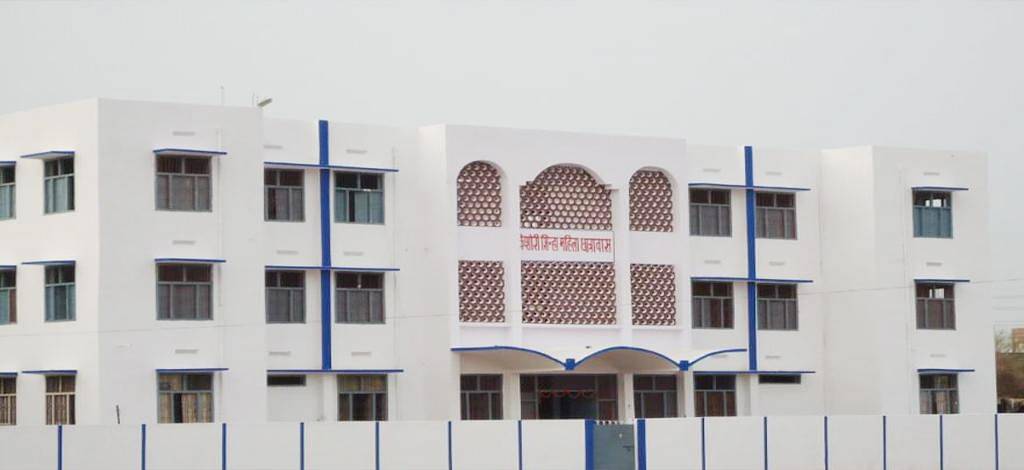
AM College Gaya
About
OfficialAM College Gaya is a other institution in Gaya, established in 1964. A.M. College, Gaya (established 1898) is one of Bihar's oldest and most respected autonomous institutions, located in the culturally significant city of Gaya. Founded during the British Raj as Anglo-Mithila College, it has evolved into a multi-disciplinary undergraduate and postgraduate institution serving primarily students from eastern India, particularly Bihar, Jharkhand, and neighbouring states. The college maintains a strong commitment to both classical Indian liberal arts and modern professional education. Academic Structure: AM College offers comprehensive undergraduate and postgraduate programmes across Sciences, Arts, and Commerce. Notable undergraduate programmes include B.Sc. (Physics, Chemistry, Biology, Mathematics), B.A. (History, Political Science, Economics, Sanskrit, Philosophy), and B.Com. (Accounting, Finance). Postgraduate offerings include M.Sc. (Physics, Chemistry, Botany, Zoology), M.A. (Economics, History, Political Science), and M.Com. The college has recently introduced skill-based certificate courses in digital marketing, data analysis, and renewable energy to enhance employability. However, it lacks engineering and management (MBA/BBA) programmes, which limits its appeal to technology-focused students. Research and Innovation: While not a research-intensive institution by national standards, AM College has established research centres in environmental science and ancient Indian culture. Faculty publications are primarily in regional and national journals rather than international platforms. The college encourages undergraduate research through laboratory work and project-based learning but lacks PhD programmes, limiting deep research contribution. Several faculty members hold PhDs from reputed Indian universities (approximately 42% PhD-qualified), though research funding and infrastructure remain modest compared to central universities. Teaching Quality and Infrastructure: Classrooms are well-maintained with blackboards and projector facilities in most departments. The library houses approximately 85,000 volumes with limited e-journal access (mainly through UGC-INFONET). Science departments have functional laboratories with basic analytical equipment (microscopes, spectrophotometers, chromatography units) but lack modern research-grade instrumentation. Internet connectivity is inconsistent—WiFi is available in the administrative block and some classrooms but unreliable in hostels. This is a persistent student complaint that impacts online learning and research access. Placement Record: The college achieves a placement rate of approximately 58-62% for undergraduate students, with median salaries around 240,000-280,000 INR annually in sectors like education, banking, and government services. Postgraduate placements (M.A., M.Com, M.Sc.) reach 65-70%. Major recruiters include regional banks (Bihar Gramin Bank, various cooperative banks), educational institutions, government departments (BPSC preparation institutes), and FMCG companies. Campus placements are modest because the college lacks strong industry partnerships and is located outside metro job hubs. Many graduates pursue government competitive exams (UPSC, BPSC, SSC) rather than corporate placements—this is culturally accepted and even encouraged. Campus Life: The campus is peaceful and academically focused with active student clubs (Debating Society, Science Club, Cultural Council, Entrepreneurship Club). The college organizes annual cultural festivals (Amar Jyoti in January, Science Week in February) that showcase student talent but are primarily intra-college events. Sports facilities include a basketball court, volleyball court, cricket ground, and gymnasium, though infrastructure is dated. Hostel accommodation is available for ~1,200 students in gender-segregated facilities with basic but clean dormitories. The atmosphere is conservative with strict hostel curfews (women's hostels: 7 PM, men's: 9 PM) and limited co-curricular freedoms compared to metro colleges. Most students are from middle-class backgrounds with moderate to low family incomes, creating a focused, serious academic culture. What Makes It Unique: AM College is deeply rooted in Bihar's academic tradition and serves as an important institution for aspiring government exam candidates, educators, and civil servants. It offers affordable quality education (total annual cost ~85,000-120,000 INR) and is respected across the state. The student body is geographically diverse across eastern India, fostering cultural exchange. The college has produced several IAS/IPS officers, judges, and senior academicians. However, it competes in a challenging regional market against emerging private colleges and does not have the brand recognition of Delhi/Mumbai colleges or the research profile of central universities. Who Should Apply: AM College suits academically motivated, self-disciplined students seeking affordable, values-based education with a strong emphasis on classical subjects and government exam preparation. Ideal candidates are from Hindi-medium or regional-medium backgrounds (though English-medium instruction is provided), seeking careers in government services, teaching, or banking. The college is less suitable for students seeking startup culture, cutting-edge research opportunities, or aggressively competitive job placements. It appeals to first-generation college goers and students from tier-2/tier-3 towns in Bihar and Jharkhand. Not recommended for international students or those requiring cosmopolitan campus culture.